UTICA, N.Y., Nov. 18, 2026 — Budget deficits across developed economies are on track to reach a postwar high outside a recession, according to a J.P. Morgan forecast. The bank expects the governments it tracks to run a combined shortfall equal to 5.5% of their economic output this year, the highest outside a recession since World War II. It identified the United States as facing the toughest adjustment among the major economies it examined. Reuters reported the forecast Wednesday.
The U.S. federal budget deficit reached $2 trillion in the fiscal year that ended Sept. 30, up $217 billion from the year before. Revenue grew by $169 billion, or 3%, while spending rose by $386 billion, or 6%. Some of the biggest increases came from major benefit programs, interest on the debt and military activities, according to the Congressional Budget Office.
For Central New York, what matters is how Congress responds. Changes in federal health funding can affect who qualifies for affordable coverage. Changes in transportation grants can affect when roads and bridges get repaired. The decisions Washington makes will determine who pays more, which services face pressure and how much room Congress has to respond to the next downturn.
What budget deficits measure
A budget deficit is the gap between what a government spends and what it collects over a given period. The national debt is the amount of past borrowing that remains outstanding. The primary balance compares revenue and spending before net interest. It shows whether a government is bringing in enough to cover its programs before it pays the cost of past borrowing.
J.P. Morgan’s 5.5% forecast means the combined annual shortfall would equal about $5.50 for every $100 of goods and services those economies produce. The $2 trillion figure covers the U.S. federal government for a fiscal year that has already ended. They describe different groups and periods.
Why budget deficits are widening
Many countries came out of the pandemic with weaker budgets. When an economy contracts, tax collections tend to fall and demand for public help rises. Governments also borrowed to pay for pandemic emergency programs. J.P. Morgan estimates that developed-market government debt is 7 percentage points of GDP higher than in 2019 and that more than 70% of the countries in its group still have weaker budget balances. The International Monetary Fund has warned that rising debt, higher interest rates and ongoing spending pressures are adding to the risk.
Interest is taking up more of the U.S. budget. When older Treasury securities mature, the government may have to refinance them at higher rates. New deficits require additional borrowing, which creates future interest bills. In CBO’s February budget outlook, the agency projected that debt held by the public would reach 120% of GDP by 2036 under laws and policies in place as of Jan. 14. It projected that net interest would reach 4.6% of GDP by that year. Both figures depend on how borrowing costs, economic growth and federal policy evolve.
Retirement programs and tax policy both matter. As more Americans reach retirement age, more people qualify for Social Security and Medicare. CBO expects both programs to account for a larger share of economic output over the next decade. On the revenue side, CBO and Congress’s Joint Committee on Taxation estimated that the 2025 federal budget law would lower projected revenues by $4.5 trillion and direct spending by $1.1 trillion over 2025–2034. It would add about $3.4 trillion to deficits compared with CBO’s updated January 2025 baseline, before additional interest or broader economic effects. The figures come from the CBO cost estimate and its follow-up analysis.
Why the timing matters
Borrowing in a downturn can help households and keep services running when incomes and tax collections fall. A large deficit in a stronger period can make that response more expensive the next time. Interest takes up money that Congress could otherwise direct toward services, investment or emergency aid.
One goal is to stop debt from growing faster than the economy. A country can do that while running a deficit if economic output grows fast enough relative to debt. J.P. Morgan estimates that developed markets would need to improve their primary budget balances by nearly 4.6 percentage points of GDP under the conditions it examined. The adjustment varies by country and depends on economic growth and borrowing costs.
What Congress can do to reduce the deficit
Review tax breaks and pay for new commitments. Congress could narrow selected exemptions, deductions or credits, or change tax rates. Each choice affects different households and businesses. Congress can also identify the revenue or spending changes that would pay for permanent tax cuts or spending increases before approving them. Independent budget estimates can show whether the savings build over time or depend on temporary provisions. The CBO deficit reduction options explain how several possible revenue and spending changes would work.
Look for health care savings that preserve access. Medicare can pay more for certain routine services at hospital outpatient departments than it does at doctors’ offices. CBO has analyzed bringing those payments closer together. That approach could save federal money. Congress would need to consider the effect on hospitals that rely on those payments and on patients in communities with few other providers.
Address the biggest long-term pressures. Lawmakers could adjust Social Security’s revenue or the formulas used to calculate benefits, review Medicare payment rules and examine major defense and civilian spending. Better purchasing and stronger controls against improper payments can also help. The Government Accountability Office says improving the long-term outlook requires addressing the major drivers of debt. Phasing in changes gives households and providers time to plan.
Leave room for a downturn and plan for realistic growth. Congress can phase in savings over several years while allowing unemployment aid and other supports to rise when the economy weakens. Faster productivity growth would help by increasing output and potentially lifting tax receipts. J.P. Morgan sees potential gains from artificial intelligence, with uncertain timing. An adjustment plan can use published estimates and be updated as growth and borrowing costs change, an approach consistent with the IMF’s October economic outlook.
What Mohawk Valley residents can ask lawmakers
New York offers an example of how a federal budget decision reaches households. The state expects federal payments to decline over the period covered by its enacted financial plan, largely because the 2025 federal budget law limits support for New York’s Essential Plan. The New York State Comptroller reported that state action preserved health coverage for more than a million New Yorkers while about 450,000 lost eligibility for the plan.
When members of Congress propose a plan, residents can ask three questions. How much would it save over ten years according to an independent estimate? Who would pay more or receive less? What would it mean for health coverage, food assistance and infrastructure funding in New York? Those answers show how a particular proposal would affect both the national debt and the people asked to shoulder the changes.
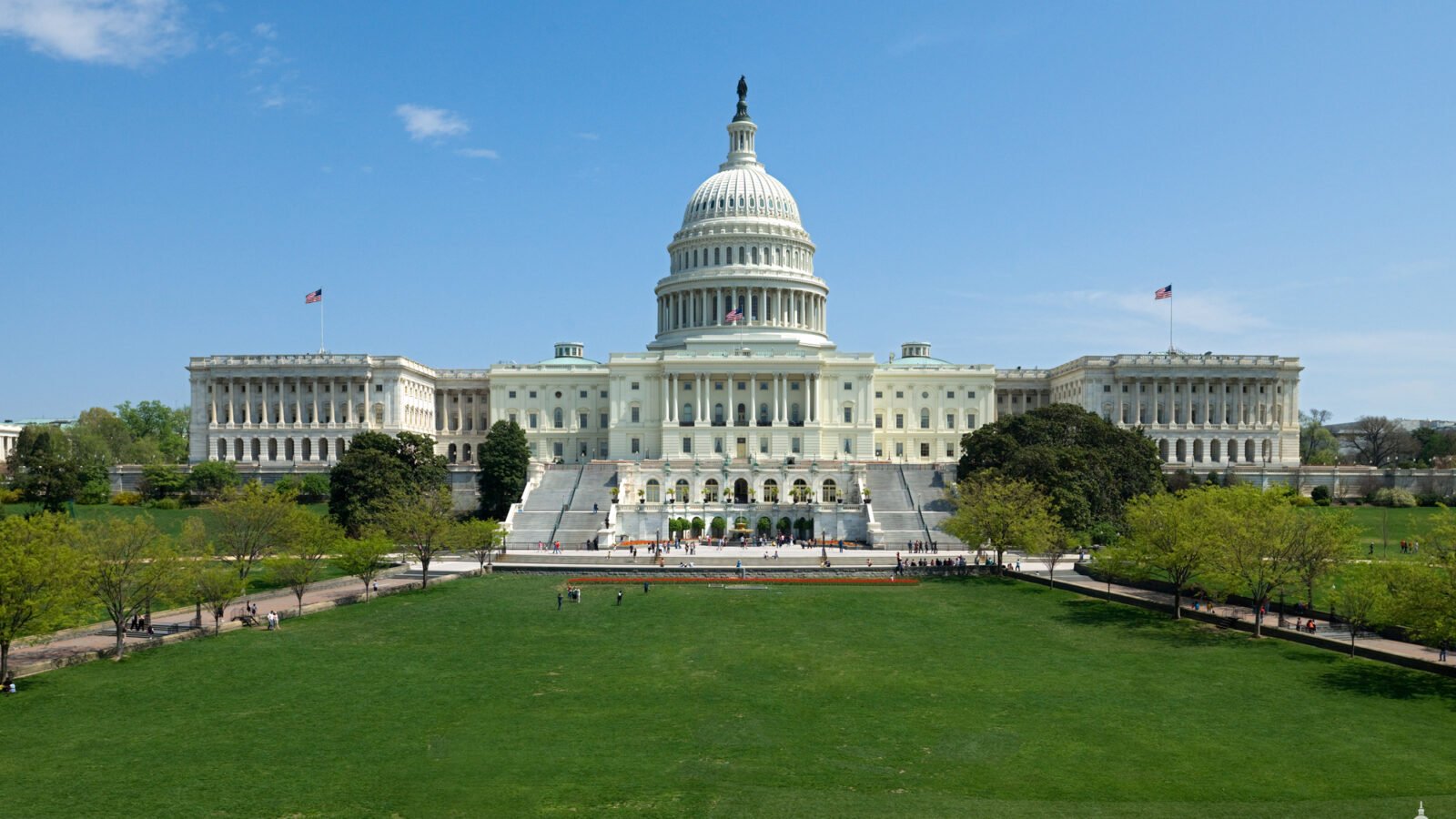
Read more VoiceMV coverage in Economy & Work. Featured file photo by the Architect of the Capitol, cropped for display.