New York’s prepackaged food allergen labeling law took effect Nov. 12, Assemblywoman Marianne Buttenschon’s office announced. The law requires food establishments to identify major allergens used as ingredients in foods they prepare, package in advance and offer or sell at the same location.
The rule applies to businesses such as delis, bakeries, sandwich shops, cafeterias, ice cream parlors and food trucks. For shoppers in Utica, Rome and across the Mohawk Valley, it means a grab-and-go item made and packed on-site should carry written allergen information when it contains a major allergen.
Which foods does the law cover?
Under New York Public Health Law Section 1357, the label goes on the package itself or on a label attached to it. The state’s definition covers food prepared, packed in advance and offered or sold at the same site. Unpackaged food and items packaged after a customer places an order fall outside that definition.
For example, a deli that makes and wraps sandwiches before putting them in a display case must identify major allergens used in those sandwiches. A sandwich wrapped after a customer orders it falls outside this specific labeling rule. The difference is when and where the business prepares and packages the food.
Which allergens must appear?
The law names nine major food allergens: milk, eggs, fish, crustacean shellfish, tree nuts, wheat, peanuts, sesame and soybeans. It also covers ingredients containing protein derived from those foods, subject to exemptions in the law. Wheat in bread, milk in cheese and sesame in a spread are examples of ingredients that can trigger labeling requirements.
The state requirement focuses on major allergens used as ingredients. A label under this law may leave out ingredients outside that list, and people with questions about a particular ingredient or how a product was prepared can ask the business directly.
Why New York adopted the rule
Buttenschon’s office said the measure addresses a gap for food prepared and packed for sale at the same establishment. The state legislative record shows the bill was signed on Nov. 12, 2025, as Chapter 494. It took effect one year later and also added a parallel provision to the state’s Agriculture and Markets Law.
Buttenschon represents the 119th Assembly District, which includes Utica and Rome. Her office said clearer labels give customers with food allergies more information when deciding what to buy.
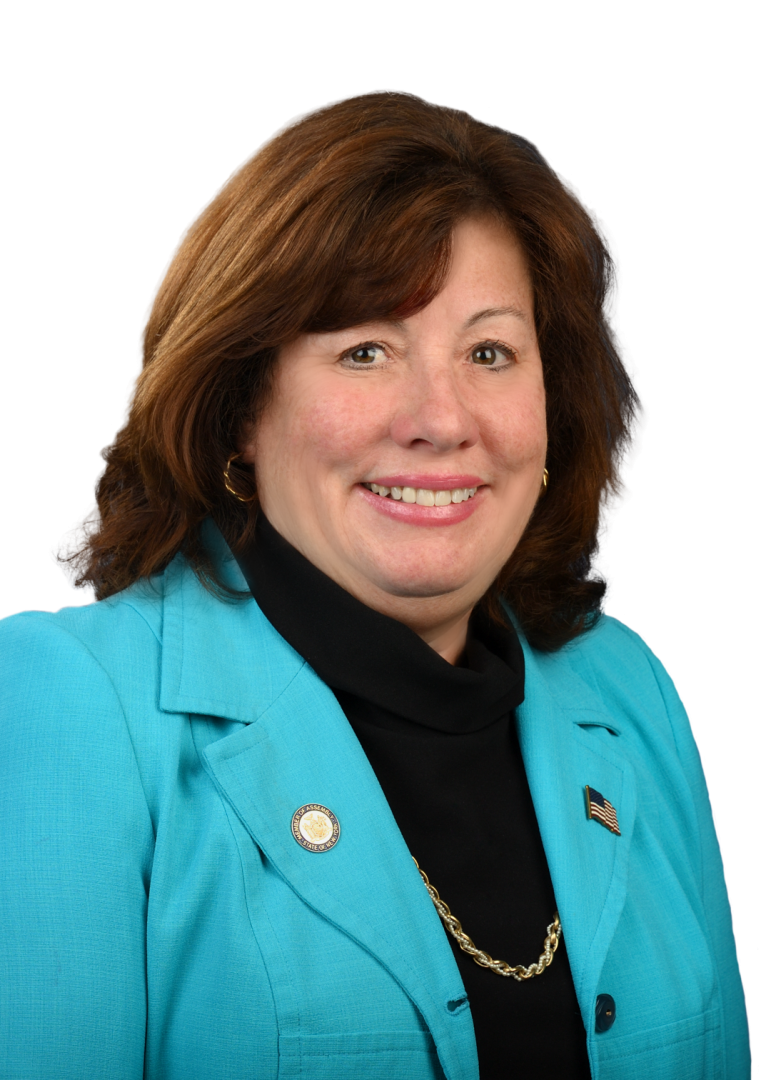
Featured photo courtesy of the New York State Assembly.