

By David LaGuerre
Mohawk Valley Voice
A reported seven-month loan raises questions about safety, oversight and the boundary between testing military technology and using it in civilian enforcement.
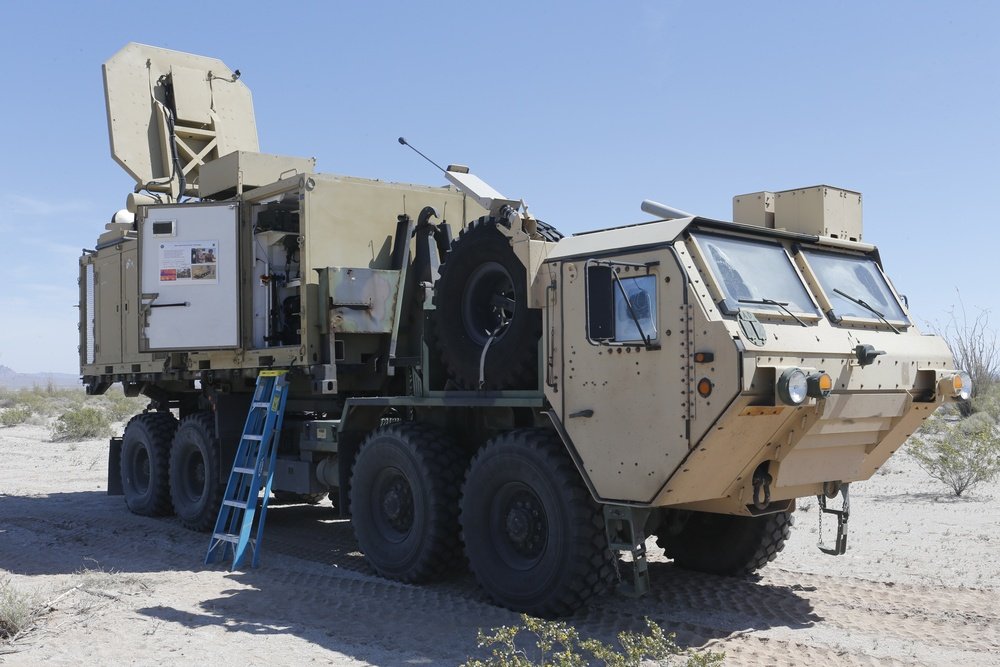
WASHINGTON, D.C. The Pentagon has authorized DHS heat ray testing for potential southern border use, according to an October 21 CNN report based on a memo signed by Pete Hegseth in September. The reported permission covers evaluation and tactics development. It does not establish that the weapon has been used against migrants.
CNN says one Active Denial System is being loaned for seven months, with DHS responsible for operation and procedures. Military personnel are barred from operating it under the memo. The reporting does not identify a testing site or detailed plan.
“CBP is continually evaluating new technologies,” an agency spokesperson told CNN. The Pentagon referred questions to DHS.
What is the Active Denial System?
The Active Denial System, or ADS, is a directed-energy weapon designed to make people move away by causing intense surface heating. A historical technical explanation from Sandia National Laboratories describes a beam operating at 95 gigahertz that reaches approximately 1/64 of an inch into skin.
That is a shallow depth, but shallow does not mean painless. Sandia says the heat can reach an intolerable level within seconds. Its 2005 explanation says the intense sensation stops when someone leaves the beam or the transmitter is turned off.
The same source describes limiting beam strength and exposure time as safeguards against burns. This is historical background on the technology, not an independent safety certification for a current DHS testing plan.
A useful distinction for readers: this system directs electromagnetic energy at people. It is not a visible beam of flame. Images that show glowing rays striking crowds would misrepresent how the technology is described.

Why “nonlethal” does not settle the safety question
Sandia presents the technology as an alternative to lethal force. That is the central argument for examining tools intended to create distance without bullets.
Physicians for Human Rights offers a more cautious assessment. In a directed-energy weapons fact sheet, the group cites burns, blistering and prolonged pain in military volunteer testing. It also highlights limited public medical evidence and concerns about delicate skin and longer exposure.
The group’s assessment is background research, rather than an investigation of this newly reported loan. Its cautions nevertheless explain why the label “nonlethal” should not be read as a promise that nobody can be hurt.
PHR also questions whether a distant operator can adequately judge conditions around the people being targeted. Its policy recommendations call for restraint, protection of bystanders and prompt medical help for anyone affected.
For an evaluation to be useful, it should ask more than whether the equipment can make someone move. It should examine whether that movement creates a new danger, whether a person can leave safely and whether operators can recognize someone who needs help.
What the latest reporting leaves unresolved
CNN reports that earlier border discussions raised concerns about people being driven toward water and about use across the international boundary. It also reports that Kirstjen Nielsen rejected a proposal in 2018. Some agents have questioned the current need, according to former officials cited in the report.
These accounts explain the debate, but they do not supply a published operating policy. This article has not independently obtained the signed loan memo. The loan details are attributed to CNN’s reporting.
The supplied summary also refers to tingling lasting 10 to 15 minutes. CNN attributes that description to military officials. It should not be treated as proof of a standard exposure duration or a guarantee that everyone experiences the same aftereffects.
Five questions DHS should answer publicly
The following are accountability questions arising from the report. They are not claims that DHS has already adopted particular rules or violated them.
- What exactly is being tested? DHS should distinguish equipment checks, controlled volunteer trials and any proposed operational evaluation. Each raises different questions about consent, supervision and public notice.
- Who can authorize use? A public policy should identify the decision maker, the circumstances that qualify and the steps required before an operator activates the system.
- How will people have a safe way out? Evaluators should explain how they will assess barriers, crowding, water and people whose mobility is limited.
- What medical review will occur? The public should be able to assess who reviews injuries, what follow-up is provided and whether outside experts can examine the results.
- What will be recorded and disclosed? Clear reporting should allow oversight bodies to distinguish an uneventful equipment trial from an exposure that causes injury or an emergency.
Why this matters to Mohawk Valley readers
The current report concerns the southern border. It does not announce deployment in Utica, the Mohawk Valley or along New York’s Canadian border. There is no basis in the sources reviewed to suggest a local test is planned.
The broader public question is how federal agencies evaluate military equipment for civilian enforcement. Readers can reasonably support border security while asking for evidence that a proposed tool is necessary, effective and subject to clear limits.
There is also a fair argument for controlled research before any operational decision: testing can expose shortcomings. But that argument is strongest when the research plan, safety standards and findings are open to meaningful scrutiny.
What to watch next
Watch for release of the memo, a defined test plan, independent safety findings and a clear decision about any future use. An authorization to evaluate equipment is a different milestone from a decision to deploy it.
Readers should check whether follow-up coverage supplies those documents or simply repeats the original report. The most useful next development will be evidence that answers the public’s questions about necessity, safeguards and accountability.
Sources: CNN reporting by Zachary Cohen and Priscilla Alvarez, republished by CBS 58, October 21, 2026; Sandia National Laboratories technical background, June 30, 2005; Physicians for Human Rights directed-energy weapons fact sheet.