By David LaGuerre
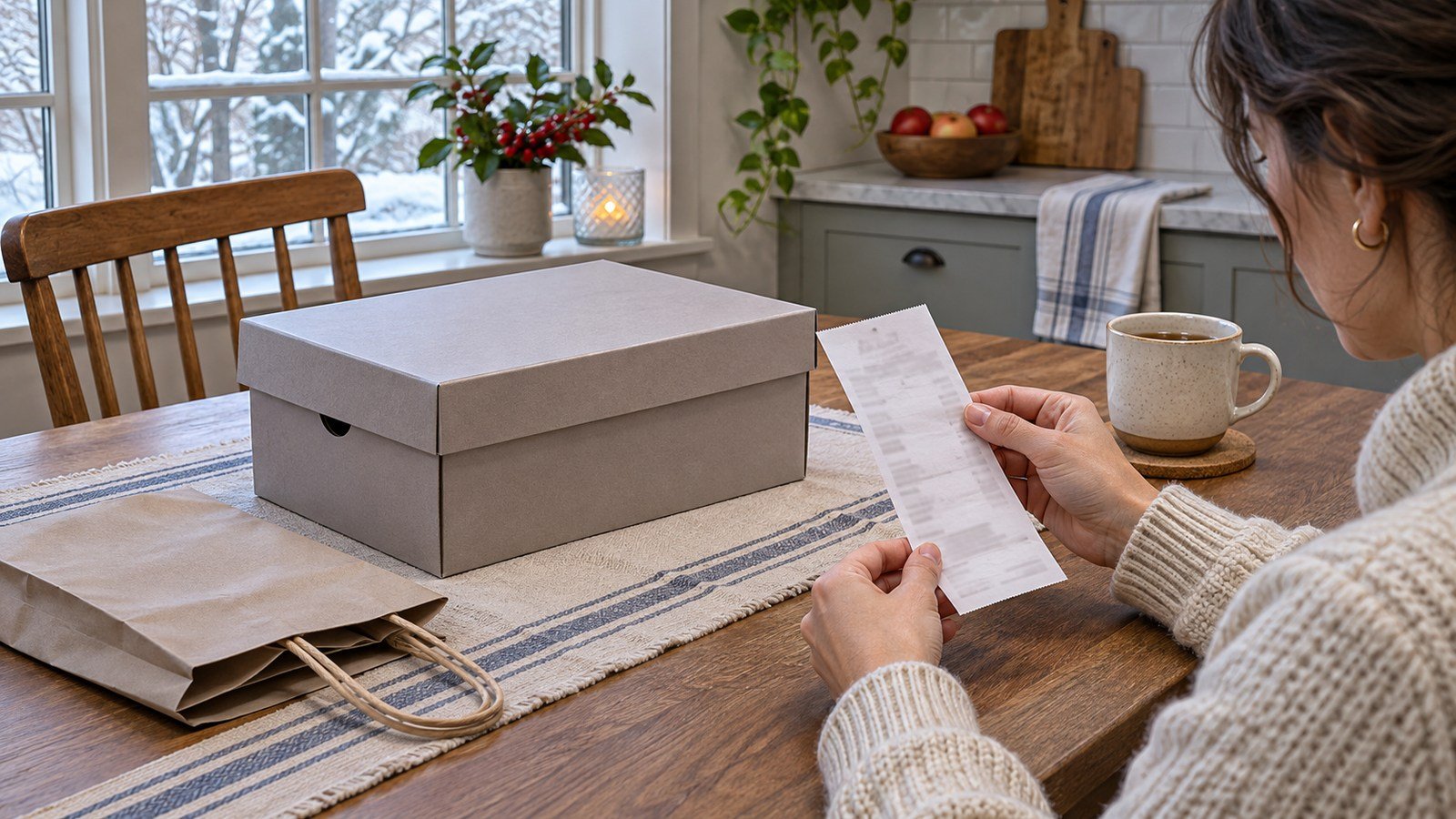
The shoes looked right in the store. At home, you realize you need a different size. Before making another trip, find the receipt and read the return policy. A refund, an exchange and a store credit are different outcomes, and the one available to you can depend on what the seller disclosed before the sale.
New York return policies deserve a look before you pay, especially when you buy gifts or order something you can’t inspect in person. A few questions at checkout can save a second drive across the Mohawk Valley or an expensive return shipment.
Read the policy while you can still choose
New York’s General Business Law Section 218-a requires retail stores and online retailers to disclose refund policies in specified, conspicuous ways. The disclosures cover conditions such as proof of purchase, deadlines, sale merchandise, refund method and fees. The law also calls for notice that shoppers can request a written copy of the policy.
Ask where the policy is and save it with your order. Online, take a screenshot or save the relevant page with the purchase date. In a store, ask for a copy if the details are unclear. Check that it covers the exact item rather than a general promise on the home page.
A sign saying “returns accepted” leaves several questions open. Does the item need to be unopened? Are clearance items excluded? Is a gift receipt enough for a refund, or does it produce only store credit? Ask before you tear off tags or discard packaging.
Find the deadline and what must happen by it
Write down the last date and the action required. A seller may distinguish between requesting authorization, dropping off a parcel and receiving the merchandise. Don’t assume starting a return on the final day is enough. Read the seller’s instructions and ask for clarification if the timing is unclear.
If buying a gift well before an event, check the window against the date the recipient will open it. An extended holiday period can help, but it needs to be the seller’s actual policy for that item and purchase date. A gift receipt may make the conversation easier without extending the deadline.
Set a reminder several days before the cutoff. For a mail return, leave room for packing and a trip to the carrier. For an in-store return, check the counter hours and whether that location accepts orders from the website or another seller on the same marketplace.
Work out what you will actually get back
A purchase may be refundable to the original payment method, exchangeable or eligible only for store credit under the disclosed policy. A refund can also involve a disclosed restocking charge. The New York Department of State’s shopping guidance advises learning a seller’s return policy before buying.
Use a simple example before making a decision. An $80 item with a hypothetical $12 return shipping charge and an $8 fee would leave $60, assuming all those charges apply and no other part of the payment is refundable. Those are sample numbers, not a description of a particular retailer. The exercise helps you see whether the purchase fits your budget if it doesn’t work out.
Look separately at original delivery charges, return shipping, restocking fees and any optional services. Ask whether a local drop-off avoids a fee or whether a prepaid label still results in a deduction. Keep the answer with your order details.
Know what New York’s disclosure rule does and doesn’t say
A store doesn’t automatically have to take back every item because a shopper changes their mind. The state’s consumer guidance on returns explains that stores can have a no-return policy if properly disclosed. The disclosure rule is a reason to check the policy, not a universal trial period.
Section 218-a also provides a remedy when a retailer violates its requirements: for up to 30 days after purchase, the buyer may choose a cash refund or credit if the merchandise hasn’t been used or damaged by the buyer and the purchase date can be verified through a method the merchant uses. Keep the conditions together when considering that rule. If you need help applying it to your situation, use the state’s consumer assistance service.
An item that arrives broken or never arrives raises different issues from an ordinary change-of-mind return. Document what happened and contact the seller promptly. Don’t mark an item “changed my mind” if the real problem is damage, and don’t describe damage that didn’t occur. Accurate records give the seller or a consumer mediator a clearer problem to address.
Pack the return as carefully as the purchase
Before sealing a parcel, check the order number, item, quantity and return authorization, if one is required. Follow instructions about accessories and packaging. Remove an old shipping label if you’re reusing a box. Take a photo of the item and the packed contents for your own record.
Use the return address supplied by the seller rather than assuming the address on the original parcel is correct. Keep the carrier receipt and tracking information until the matter is settled. A completed drop-off is useful evidence, but it isn’t necessarily confirmation that the seller has received and approved the return.
For an in-person return, bring the requested proof of purchase and any other items the policy requires. If you’re helping a relative, ask whether the original purchaser must be there or whether their payment card is needed. That one phone call can spare both of you a wasted trip.
Follow up with a short, specific request
Keep the message factual: purchase date, order number, item, what went wrong and the outcome you’re requesting. Attach copies of relevant records and keep the originals. If a promised refund hasn’t appeared, ask when it was issued, how it was sent and what reference number can help track it.
If you can’t resolve the problem, the New York Division of Consumer Protection offers complaint information and voluntary mediation. Its consumer helpline is 800-697-1220. The Attorney General’s purchases guide also explains consumer issues and complaint options. Neither filing a complaint nor keeping a receipt guarantees the outcome you want, but both can help establish what happened.
Before your next purchase, save three things together: the order or receipt, the policy and the deadline. You’ll have a usable return plan while you can still decide whether to buy.
Choosing a gift card instead? Read our New York household guide to buying gift cards before you decide.