By David Laguerre
Protected lanes and new boarding islands are now in place, while a larger rapid-transit plan remains a goal for 2030, particularly focusing on the Flatbush Avenue bus lanes.
New York City has completed a Flatbush Avenue redesign with 1.9 miles of physically protected bus lanes in the center of the street and six concrete boarding islands, Mayor Zohran Kwame Mamdani and Transportation Commissioner Mike Flynn announced November 17, highlighting the importance of the Flatbush Avenue bus lanes.
The city says the Brooklyn corridor serves 120,000 daily riders and has historically seen buses travel at about 4 miles per hour. The project is meant to give those riders a faster, more dependable trip while improving crossings and the space where passengers wait.
The announcement marks completion of this street redesign, not completion of every improvement planned for Flatbush Avenue. Officials describe it as a first step toward a larger bus rapid transit corridor by 2030. The release does not provide a measured, before-and-after travel-time comparison for the newly completed work.
What changed on Flatbush Avenue
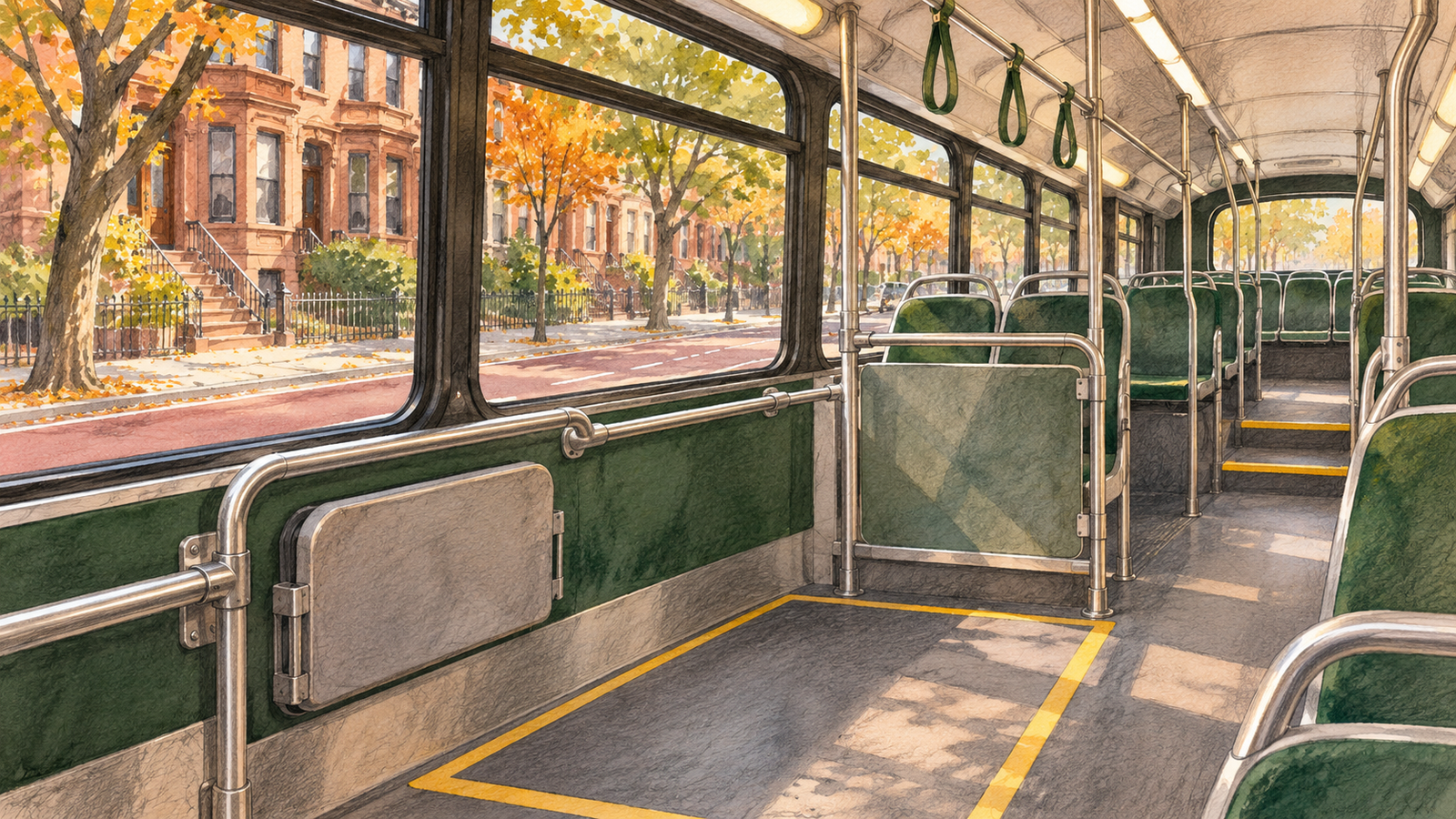
The most visible change is the separation of buses from general traffic. The new lanes run in the center of the roadway, with physical protection rather than only a painted stripe. Concrete boarding islands provide places to board and leave buses.
The city lists the B41, B67, B45 and B103 among the routes using the corridor. It says the redesign adds 29,000 square feet of pedestrian space, using the boarding islands and painted extensions at intersections. It also adds 36 bicycle racks.
Every boarding island has seating features such as shelters, benches or leaning bars, according to the announcement. About 45 new signal poles support changes including turn signals, accessible pedestrian signals, countdown displays, lighting and signals needed for the boarding islands.
Loading zones and updated parking regulations are also part of the work. The city says commercial and passenger vehicles can use metered parking in each parking lane. Drivers should follow the signs on their block rather than assume that an old loading or parking arrangement still applies.

Faster service is the goal; results need tracking
The administration presents the redesign as a way to reduce time lost in traffic. Flynn said the transportation department will monitor how the project works over the coming months and make adjustments as people adapt to the new street layout.
That follow-up matters. A newly finished bus lane is a physical improvement, but riders experience the whole trip: how long they wait, whether buses arrive regularly, and whether a connection is practical. The November 17 release does not establish a new average speed or a guaranteed time saving for each journey.
The city says 69 percent of households in the surrounding communities do not own a car. For those households, bus reliability is not simply an option for avoiding a drive. It can shape the time available for work, school, medical appointments and family responsibilities.
The broader city-state-MTA partnership, called Next Stop: Fast Buses, Better Service, seeks improvements across 175 routes, nearly three-quarters of the city’s bus network. Those citywide plans should not be confused with results already measured on this one corridor.
The next phase is still being developed
NYC DOT’s separate Central Brooklyn project page identifies another Flatbush study area between Grand Army Plaza and Avenue H. It also covers Church Avenue and Utica Avenue in Brooklyn. The first outreach phase ended in October 2026.
The agency’s published timeline calls for developing and refining concepts, presenting near-term proposals in spring 2027, and implementing near-term improvements in summer 2027. Longer-term rapid bus investments and performance monitoring would continue beyond that. These are planning stages, not a statement that all three corridors have been rebuilt.
The completed Flatbush work also includes public art. Artist Marc-Olivier Lamothe’s Day to Day illustrations appear on signs attached to the boarding-island fences. The city says they will remain through fall 2027. The North Flatbush Avenue Business Improvement District will maintain new planters along the corridor.
What riders and visitors can do
Before traveling, use the MTA’s bus schedules and current service information rather than relying on a construction announcement for a specific departure. The Central Brooklyn project page directs questions about schedules, fares and general MTA service to MTA customer service or 511.
Residents can also use the city’s Central Brooklyn feedback map to identify transportation concerns for the next phase. For street-design questions, the project page links to NYC DOT’s contact form.
For Mohawk Valley readers visiting Brooklyn, the immediate relevance is a changed street and boarding layout, not a new service in Central New York. Utica Avenue in these materials is a Brooklyn street, not the City of Utica.
VoiceMV previously covered the separate DeKalb and Lafayette bus-lane project. The new Flatbush announcement adds another completed piece to the city’s bus program. The next useful test is whether the city’s monitoring shows more reliable trips for the people using it.
Source: NYC Mayor’s Office, November 17, 2026, and NYC DOT’s Central Brooklyn project page. Project figures and anticipated benefits are attributed to city agencies.