By David Laguerre
The Sean Daniel body-camera footage includes five recordings from a Yonkers police encounter. The state’s investigation remains open.
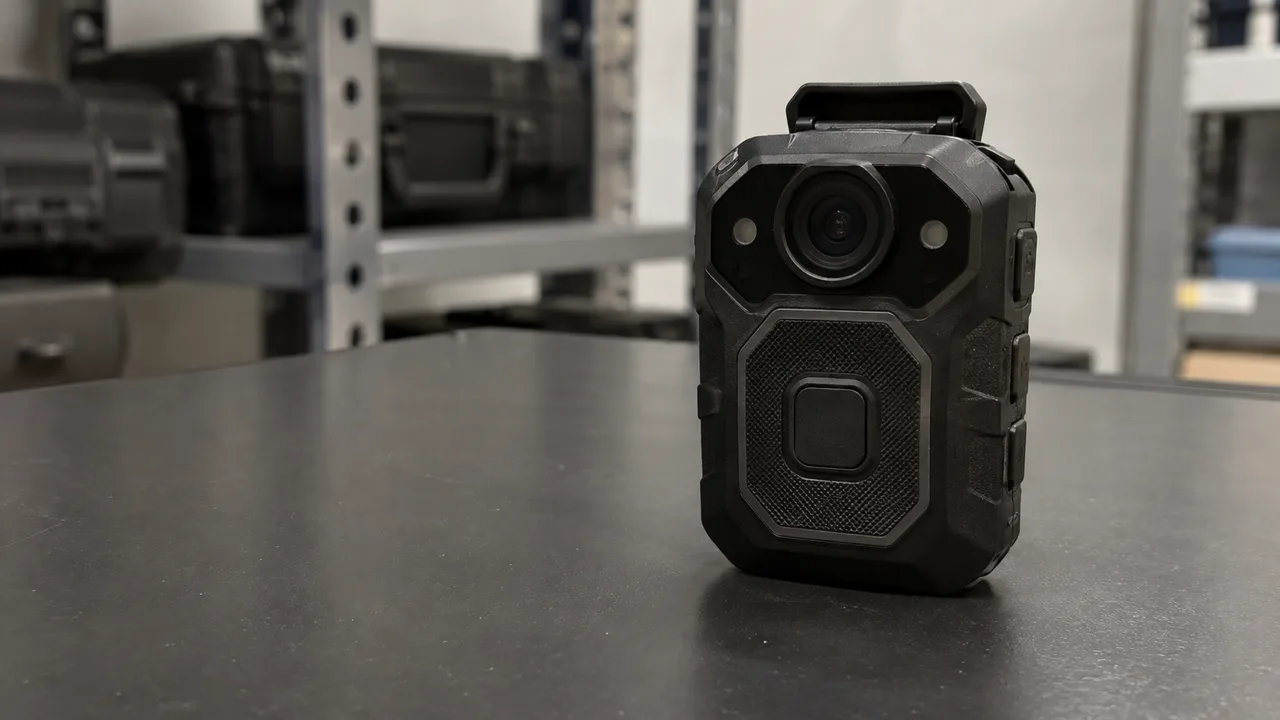
New York Attorney General Letitia James’s office released body-camera footage Tuesday, Nov. 24, as part of its investigation into the death of Sean Daniel. Daniel died April 7 after an encounter with Yonkers police in Westchester County. The recordings are public, but the state has not announced the results of the investigation or said whether anyone will face charges.
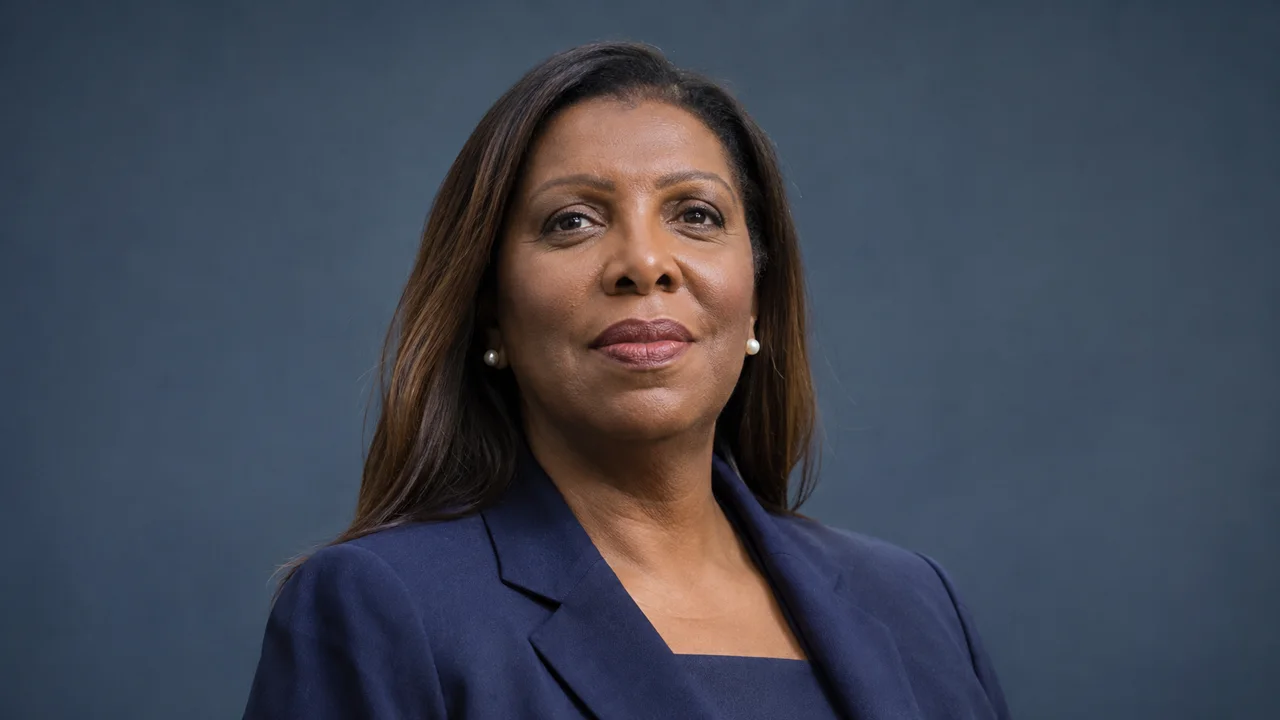
Featured image: AI-generated portrait illustration of New York Attorney General Letitia James. Credit: VoiceMV archive.
What the state has said about April 7
According to the attorney general’s office, Yonkers police went to a building on Bruce Avenue at 7:19 p.m. after a 911 call. The office’s preliminary account says arriving officers saw Daniel allegedly assaulting another person. The office says two officers fired Tasers and four tried to restrain him. Daniel lost consciousness and was taken to a local hospital, where he was pronounced dead. The office has not stated a medical cause of death in its announcements.
The state announced a full investigation on Nov. 13. The Office of Special Investigation said it had been doing a preliminary assessment and opened the full investigation after it received new information. It did not identify that information and described the facts in the announcement as preliminary.

Why New York released the Sean Daniel body-camera footage
The state’s investigation and video release policies treat the decision to make recordings public as separate from announcing results. When permitted by law, the office releases relevant recordings without waiting for the case to close. State law allows the attorney general to delay disclosure if it would compromise an ongoing criminal investigation or prosecution, or at the request of the family. The law also provides for redactions under the office’s release policy. The Nov. 24 announcement did not say whether any of those provisions affected the timing of this release.
Each recording shows what its camera captured. It is not, on its own, a medical finding or a legal decision about any person’s actions. New York Executive Law § 70-b calls for an independent investigation. Its steps include interviewing witnesses, gathering evidence and reviewing recordings and scientific reports. The release does not announce whether the office has finished any of those steps in Daniel’s case.

How Central New York readers can follow cases like this
The same state law applies in the Mohawk Valley and across New York. It covers deaths caused, or potentially caused, by something a police officer or a qualifying peace officer did or failed to do. It can apply regardless of whether the officer was on duty or whether the person was in custody. In May, the state used the same release process to publish footage in a separate investigation in LaFayette, Onondaga County. The cases are unrelated.
Readers can check the state’s investigation index for Daniel’s case. As of Nov. 24, it listed the investigation announcement, the video announcement and the recordings, but no completed report or charging announcement. There is no announced date for findings. State law requires a public report if the office decides not to present evidence to a grand jury or if a grand jury hears the evidence and returns no indictment. For an example of a completed inquiry, see VoiceMV’s coverage of the state’s final report in a separate Syracuse case.
Footage warning: The attorney general’s office says the videos may be disturbing. The official footage page has five separately labeled recordings. You can follow the case through the written updates without watching them.