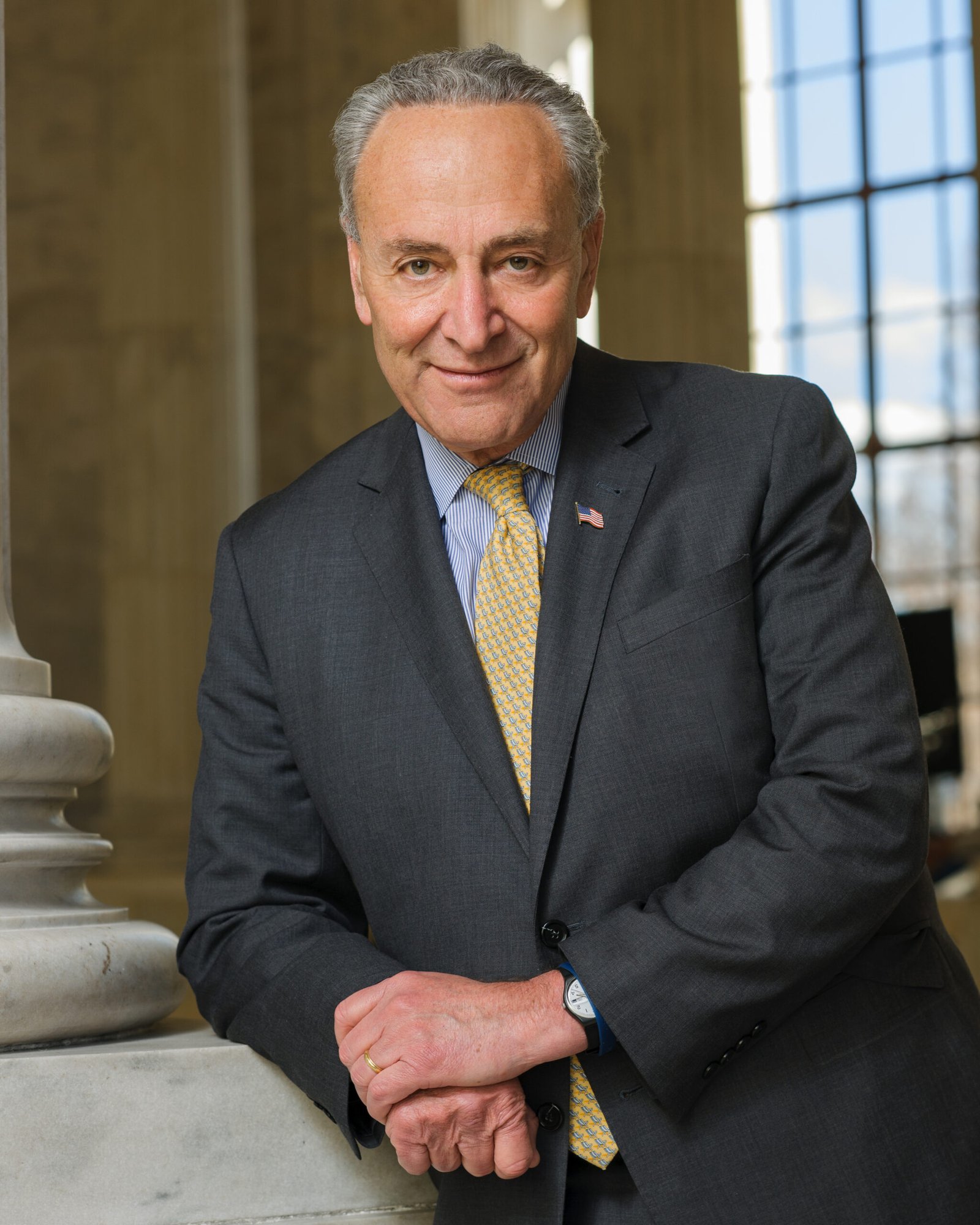
U.S. Sen. Chuck Schumer visited The Raymond Corporation in Greene on Monday to discuss how tariffs, trade uncertainty and workforce needs are affecting one of Chenango County’s largest employers. Schumer used the Nov. 23 visit to say he would seek early action in January on legislation to roll back several rounds of tariffs.
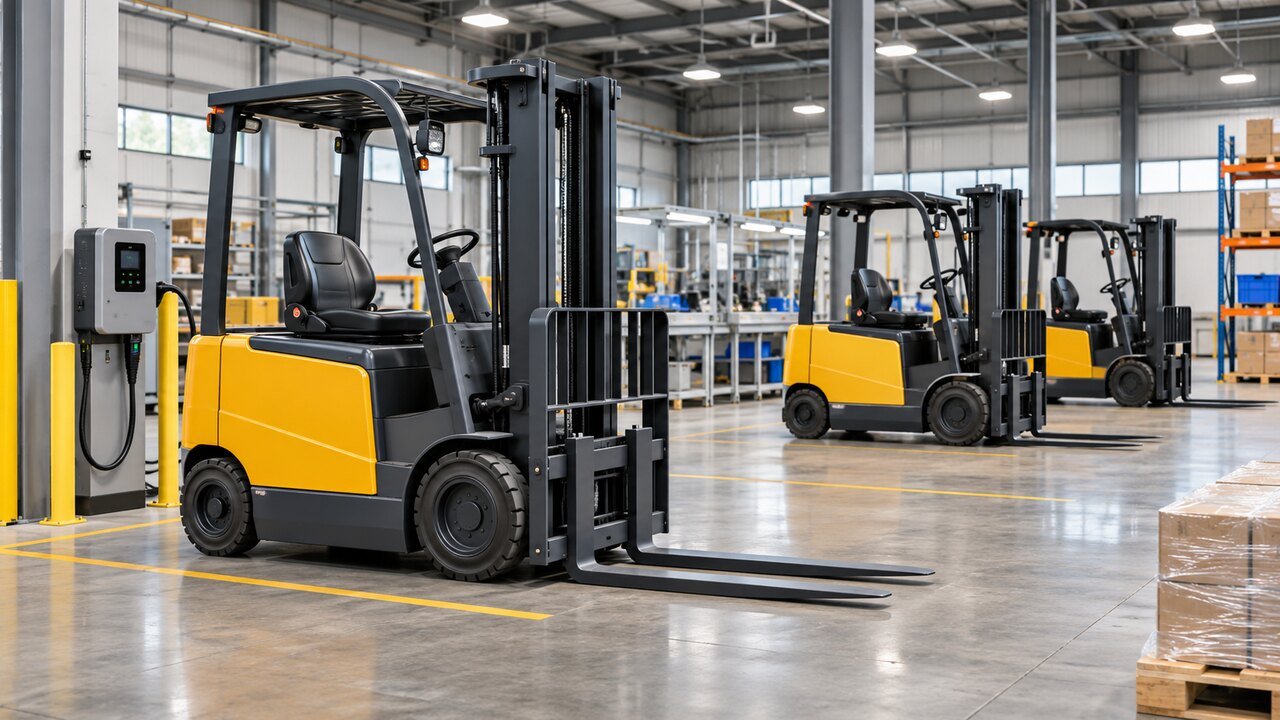
Raymond builds equipment used to move goods through warehouses and factories, including electric forklifts and pallet trucks. The company, part of Toyota Industries, has been based in Chenango County since 1922, according to Schumer’s office. The senator’s office puts Raymond’s employment at more than 2,000 in Greene and more than 2,500 across its New York locations, which also include Kirkwood, Syracuse and Rochester.
Why predictable costs matter to Raymond
Manufacturers plan around the price of materials and components, delivery times and expected demand. When duties on imported goods change, suppliers can change what they charge. That can leave a factory with an order it priced months ago and a higher bill for the parts it needs to fill it. Companies may also have to revisit spending on equipment, hiring or training if they cannot estimate future costs.
Michael Field, chief operating officer of Toyota Material Handling North America, said in the release that the company supports trade policies that make it easier to move materials, components and finished equipment across borders. Field linked predictable rules to decisions about investment and jobs. The announcement did not include a dollar estimate for Raymond’s tariff costs.
Schumer’s office said his bill would cover tariffs under Sections 301 and 122 of federal trade law as well as a set of 50% duties on Canadian products. The Greene visit focused on how those trade policies affect manufacturers. Schumer highlighted the same proposal in Massena, where businesses described higher costs and weaker cross-border activity.

New York investments extend beyond Greene
The visit also put a spotlight on Raymond’s work in energy storage. Raymond and Toyota Material Handling North America invested $15 million in a facility in Kirkwood, Broome County, that the state said could create up to 45 jobs. The company also opened a research and testing center in Henrietta, near Rochester, where it expected up to 40 jobs. Those counts are projections for the facilities. The visit itself included no announcement of new hiring.
The projects connect warehouse equipment to a larger effort to design and manufacture battery systems in Upstate New York. Electric lift trucks need batteries that can deliver power through a shift and be charged reliably. A research site can test how a battery behaves under those conditions before a company commits to manufacturing it at scale.
What it means for regional workers
Public investment is another part of the region’s battery work. In 2022, a Binghamton University-led project received $63.7 million in federal funding to build a regional battery research and manufacturing network, according to Schumer’s office. The university-led initiative and Raymond’s own investments are separate projects. Both point to a need for workers who can move technologies from testing into production. New York State described the Kirkwood facility when it opened.
Raymond’s presence in Syracuse as well as Greene puts the issue close to Central New York readers who work in manufacturing and logistics. Employers need technicians who can maintain increasingly electric equipment, alongside the workers who assemble, test and deliver it. Those job needs were part of the visit’s workforce discussion. Schumer’s next stated step is to pursue the tariff legislation in the new Congress. The effect on factory costs would depend on the duties Congress changes and how suppliers and customers respond.