New York City says its public archive now holds more than 440,000 pages. People who moved upstate can still check separate federal programs for care or compensation.
New York City added 84,000 more records to its online archive about the September 11 attacks on Sunday, Nov. 22. The city says the archive now holds more than 440,000 pages about the attacks and their aftermath, including the response to concerns over air quality and debris. The Mayor’s Office listed Sunday’s announcement, and a published copy of the city’s release identifies this as the third batch.
The new batch is counted in records, while the size of the full archive is counted in pages. A record can run more than one page, so those numbers are not directly comparable. The city also said the portal had passed 11 million unique visits. That is a measure of site traffic, not a count of people exposed to hazardous conditions or people who qualify for help.
What the 9/11 records show about the city’s response
Mayor Zohran Kwame Mamdani and the New York City Law Department announced the release. City officials described the archive as a way for first responders, survivors, families and other readers to see more of the city’s own records. The documents concern how city agencies handled the aftermath, including concerns about air quality and the debris left after the attacks.
The latest announcement did not provide a detailed breakdown of what is in the 84,000 newly posted records or how many are still under review. The city says it expects more releases in the coming months. The new material is part of the public record, but the number of files alone does not settle what officials knew at any particular point or establish an individual reader’s exposure.
How the public archive grew
The city opened the portal Sept. 8, shortly before the 25th anniversary of the attacks, with about 170,000 pages. At the same time, it announced the settlement of two lawsuits brought by 9/11 Health Watch over access to city files. The first release included the Harding Memo and material known as the “68 boxes,” which the city said had not been located until 2025 despite earlier public records requests.
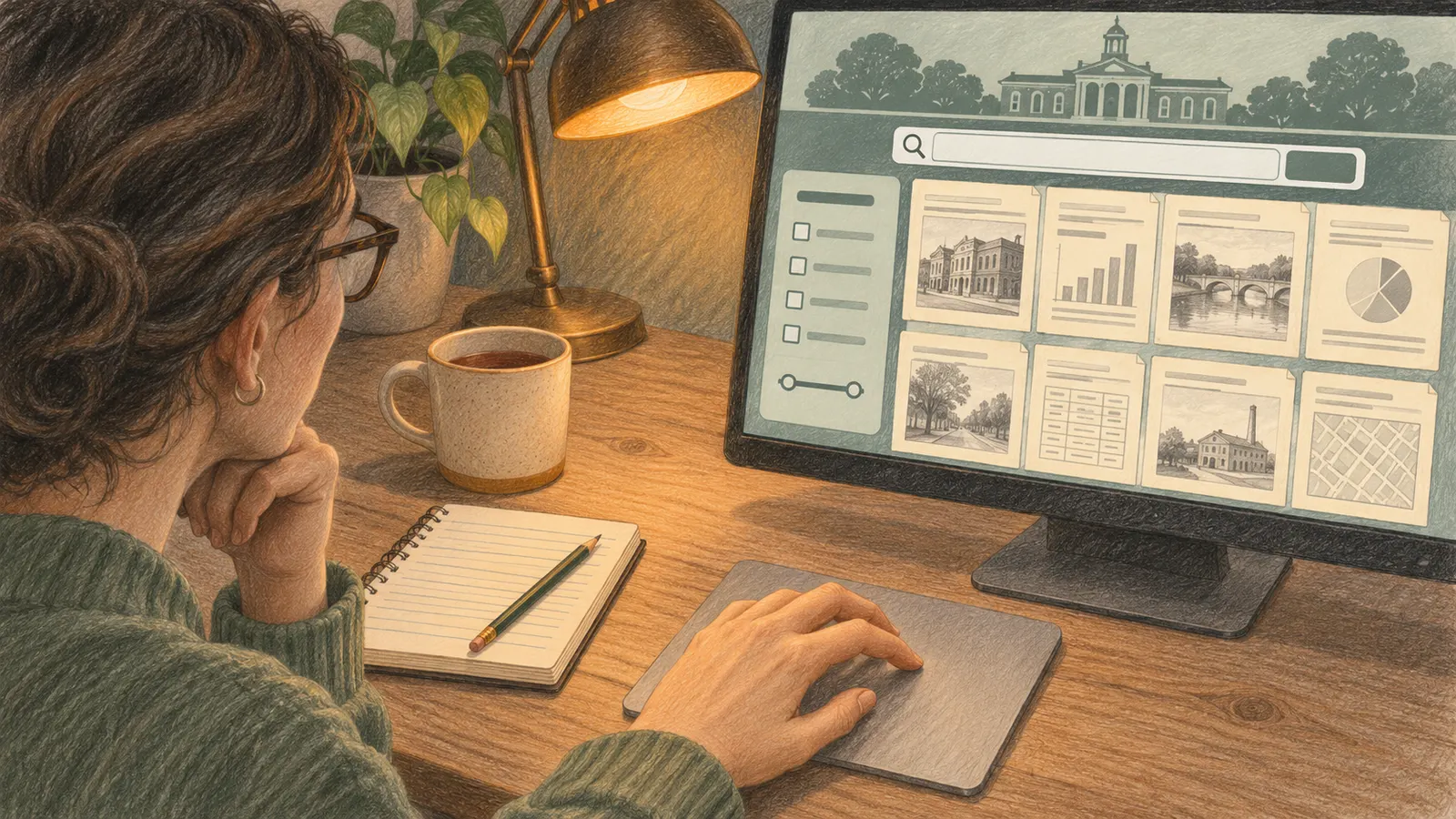
The city announced a second batch on Oct. 21, adding about 40,000 records. Sunday’s release is separate from both of those rounds. At the launch, the city said it was reviewing additional records and removing personal information where needed before release. The fiscal 2027 city budget includes $34 million to build and maintain the portal, according to the Mayor’s Office.
Where to find records or get help
The city’s 9/11 Document Portal is the place to start for government records. It is not an application for health care or compensation. Someone trying to document where they worked, lived, studied or volunteered should use the relevant federal program’s evidence guide rather than assuming that a general city document proves their own presence.
The CDC’s World Trade Center Health Program provides monitoring and treatment for certified conditions for eligible members. It serves qualifying responders and survivors. The CDC lists the documentation and eligibility rules by group and offers a Nationwide Provider Network for eligible members who live outside the New York metropolitan area. That matters for people now living in the Mohawk Valley who were in an eligible location during the required period.
The Justice Department’s September 11th Victim Compensation Fund is separate. It can compensate eligible people with a qualifying physical illness, or the personal representatives of people who died. The fund says people who may qualify can register before they are sick. Registration is not the same as filing a claim, and joining the health program does not automatically register someone with the fund. Check the official site for the rules that apply to your circumstances.
For related reporting, see how Utica residents can review the DEC’s proposed cleanup and submit comments, a separate local example of how public records can help residents follow an environmental decision.