

Before you pay, check the seller, the final price and whether you’ve agreed to future charges. If something goes wrong, save the evidence and act quickly.
New York Attorney General Letitia James issued a Nov. 24 consumer alert about holiday shopping scams, just ahead of Black Friday. The alert covers more than fake websites and suspicious emails. It asks shoppers to check whether a sale price matches the register, whether an installment plan charges interest and how much authority an AI shopping tool has over their accounts.
For Mohawk Valley shoppers, the easiest place to start is at checkout. Confirm what you’re buying, who is selling it and how much you’ll pay in the end. A few minutes spent on those checks can save a much longer dispute.
In the store: Compare the shelf tag and the receipt
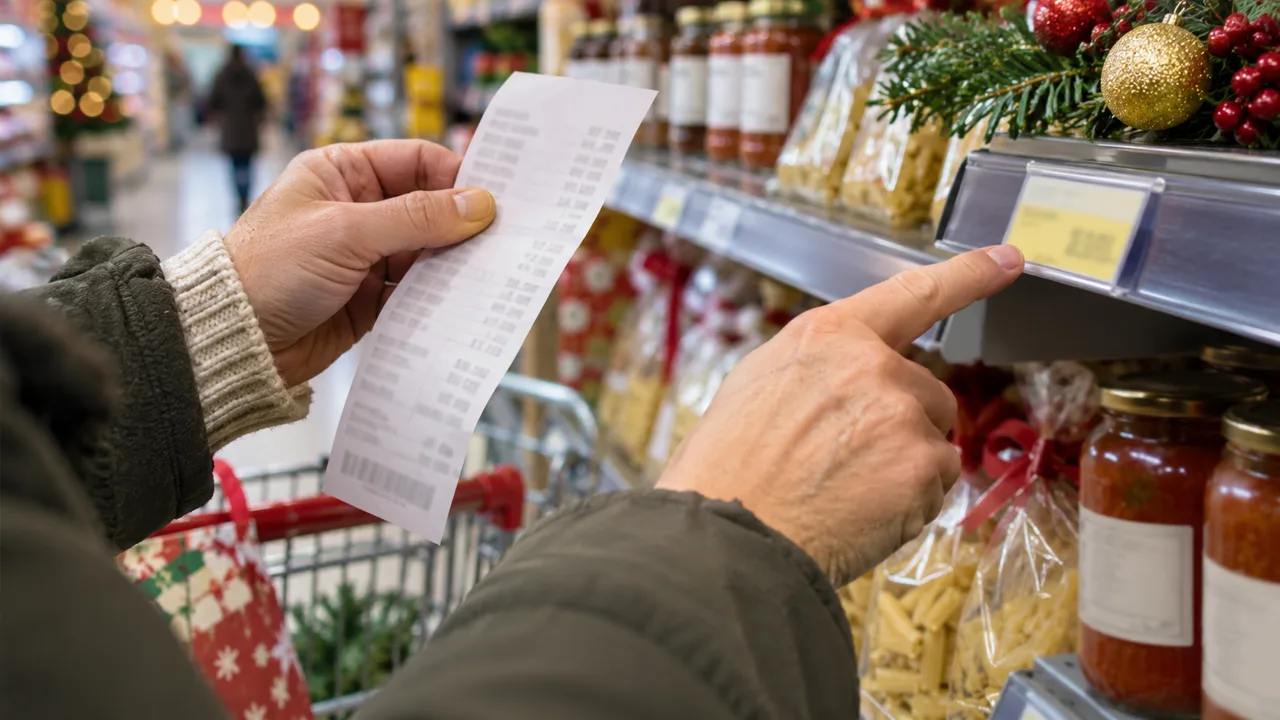
James’s office says New York retailers must charge the lowest advertised, written, posted or marked price they offer for an item. Look at the size, brand or model on the shelf tag before assuming it applies. When checking a discount, note whether the sign requires a loyalty account, coupon or minimum quantity.
If the price rings up higher, show the receipt and the offer to the store and ask for a correction. Keep a photo of the tag or ad if you can. The alert says stores are expected to score at least 98% in official price accuracy inspections; that inspection standard is not permission to overcharge a particular customer. Oneida County’s pricing guide explains local inspections. The county Weights and Measures office is at 315-793-6246.
Online: Check who’s selling and what you’ll actually pay
An email or social ad is not proof that the shop behind it is real. If you recognize the name of the retailer, open its site or app yourself instead of following an unexpected link. If the seller is unfamiliar, look for working customer service, a business address and reports from buyers that you can check outside the seller’s own site. Look past a crossed-out price. Compare the same item, including delivery charges and return costs, at more than one store.
The Federal Trade Commission’s online shopping guide recommends paying by credit card when possible because it can provide a way to dispute a charge. A seller who insists on payment with gift cards, wire transfers or cryptocurrency is a reason to stop and check the offer. Keep your device up to date and use a trusted connection at checkout. If a text claims your order is stuck, follow VoiceMV’s delivery-text guide and verify the shipment directly instead of tapping the link.
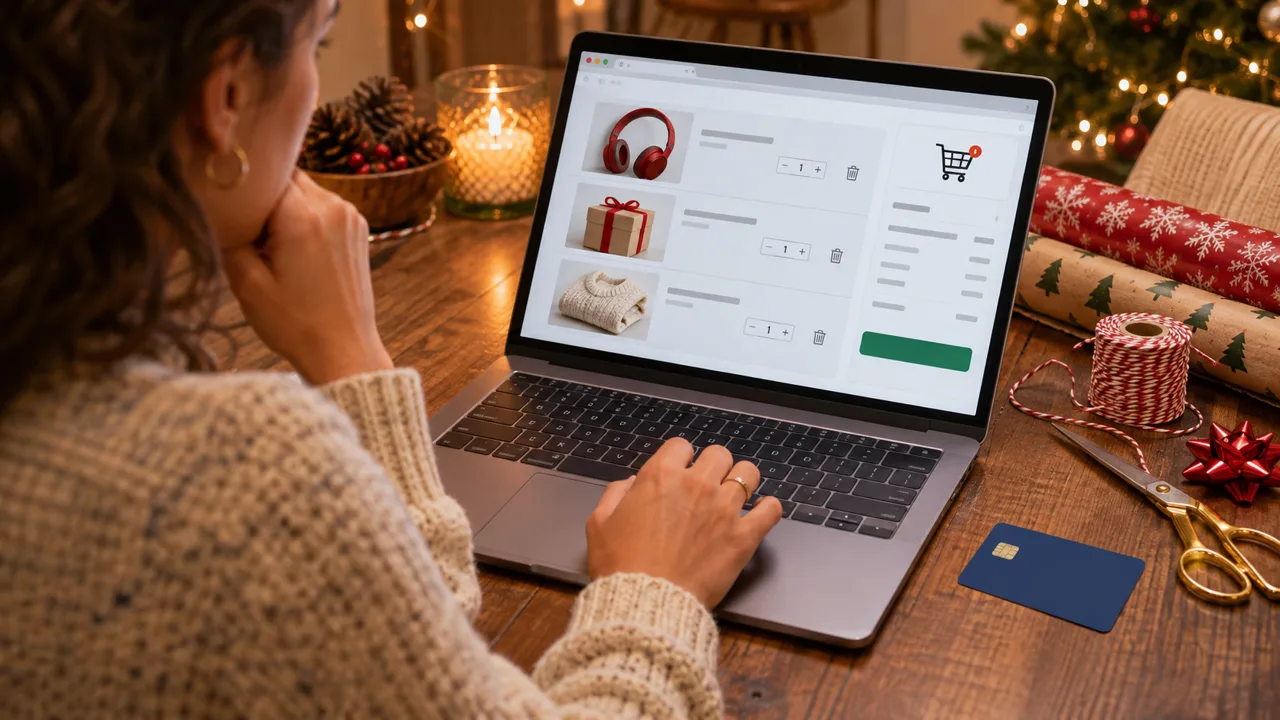
Before clicking Buy: Look for recurring charges and AI settings
If you’re offered buy now, pay later, add up all installments before you agree. Check due dates, interest and late fees. Depending on the loan, paying on time might not avoid interest, and missed payments can affect your credit. An automatic renewal is a different issue. Find the renewal price, billing interval and cancellation steps. James’s office says businesses must clearly disclose covered subscription terms, get consent for automatic renewal, acknowledge the purchase and make cancellation easy.
If you use an AI assistant to compare offers, you don’t need to let it buy anything. Before allowing an AI tool to make purchases, check which accounts or personal details it can access. The attorney general advises limiting access, setting a spending cap and requiring your approval at checkout when available.
The state’s Algorithmic Pricing Disclosure Act requires most companies using personal data to set an individual price to say so near that price. Try comparing the same item across retailers and, when possible, while logged out of a shopping account. A price difference alone does not prove the company used your personal data; compare the item, seller, shipping and terms too.
If a charge looks wrong, save the records and report it
Save the confirmation, receipt and promised delivery date. If an order doesn’t arrive, contact the seller through a number or website you verify independently. For an unfamiliar card charge or an undelivered purchase that the seller won’t resolve, contact your card issuer promptly to ask about a dispute. If you think you gave a scammer money or personal details, the FTC explains what to do next, including contacting the payment provider.
New Yorkers can file a consumer complaint with the attorney general or call 1-800-771-7755. If you’re buying a gift card from a legitimate store, see VoiceMV’s New York gift card guide for what to check before you leave the register.

