A new federal warning identifies look-alike phone numbers, fake grant ads and misleading postcards. Veterans can check the offer without giving up account information.
The Federal Trade Commission issued a November 16 consumer alert describing three ways scammers try to reach veterans seeking help with their benefits.
The warning is about fraud tactics, not a newly announced case in Utica or Rome. It adds specific examples to the broader New York military-family scam warning VoiceMV covered earlier this month.
Three approaches to recognize
- A nearly correct telephone number. The FTC says scammers use numbers that closely resemble VA hotlines. A dialing error can connect a veteran to someone demanding payment for services the VA provides free.
- A supposed grant on social media. Fake offers on Facebook and TikTok can lead to demands for direct-deposit details, which scammers can use to divert benefit payments.
- An unexpected postcard. The agency warns that mail advertising a “Veterans Savings Program” is a lure for personal and financial information, not a real program.
Rather than use contact information from an unexpected message, start with VA.gov and check the VA’s official telephone directory. Verify the number before dialing.

Free help, and an important distinction about fees
The VA’s representative guidance says an accredited Veterans Service Organization representative’s help with a benefits claim is always free. Accredited attorneys and claims agents may charge in certain circumstances after an initial claim decision, subject to representation and fee-agreement requirements. That is different from an unsolicited demand for money to file an initial claim.
Use the VA’s accredited-representative search to check someone offering assistance. Accreditation and a clear explanation of any permitted fees matter more than a professional-looking advertisement.
Why this matters to Mohawk Valley families
The danger is not limited to paying an unnecessary fee. Account information can expose the benefit payments a household depends on. A relative helping with paperwork can be useful by independently checking a telephone number or representative before anything is sent.
The VA’s fraud-protection guidance lists 833-388-7233 for scams involving VA benefits. This is a reporting resource, not a promise that a payment will be recovered.
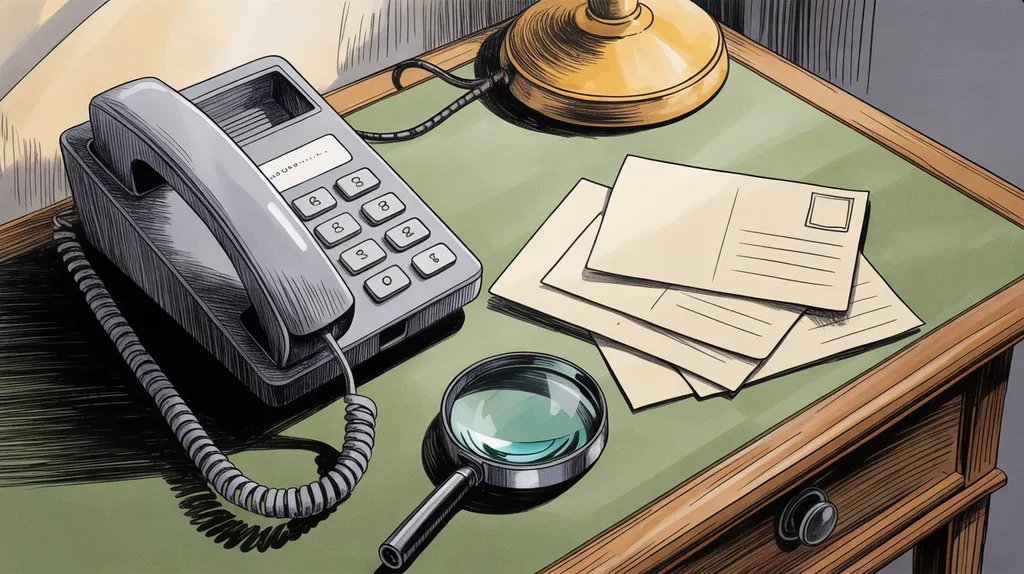
Featured image: AI-generated conceptual illustration for Mohawk Valley Voice, created with Ideogram. No actual scam message or victim is depicted.