By Dawn Michelle Laguerre
Using frozen vegetables for easy dinners starts with choosing a bag your household will actually use this week. A plain mix can become a side dish, join a bowl or accompany a baked potato. The important preparation step is reading the cooking directions before deciding how it fits the meal.
Keep the first attempt familiar. Choose vegetables your household already eats and a dinner that doesn’t need a complicated recipe. Then cook the amount you need using the package method. Once you know how that bag behaves, it is easier to keep it as a useful backup.
Read the bag before making the meal plan
Look at the ingredients, cooking directions and serving information. A plain vegetable, a seasoned mix and vegetables packed with sauce are different products. Decide which one fits the food already on your menu rather than treating all bags with a similar picture as interchangeable.
Check whether the directions refer to the whole bag or a measured portion. If a method requires a specific dish, water, covering or standing time, make sure you have what it calls for. A product designed to cook in its bag may have different instructions after you open it.
Don’t assume frozen vegetables are ready to eat just because they look prepared. The FDA’s Food Code discussion specifically notes that frozen vegetables often carry cooking instructions and may be intended to be eaten only after cooking. Thawing a cook-required product isn’t a substitute for that step.
Choose one dependable way to cook
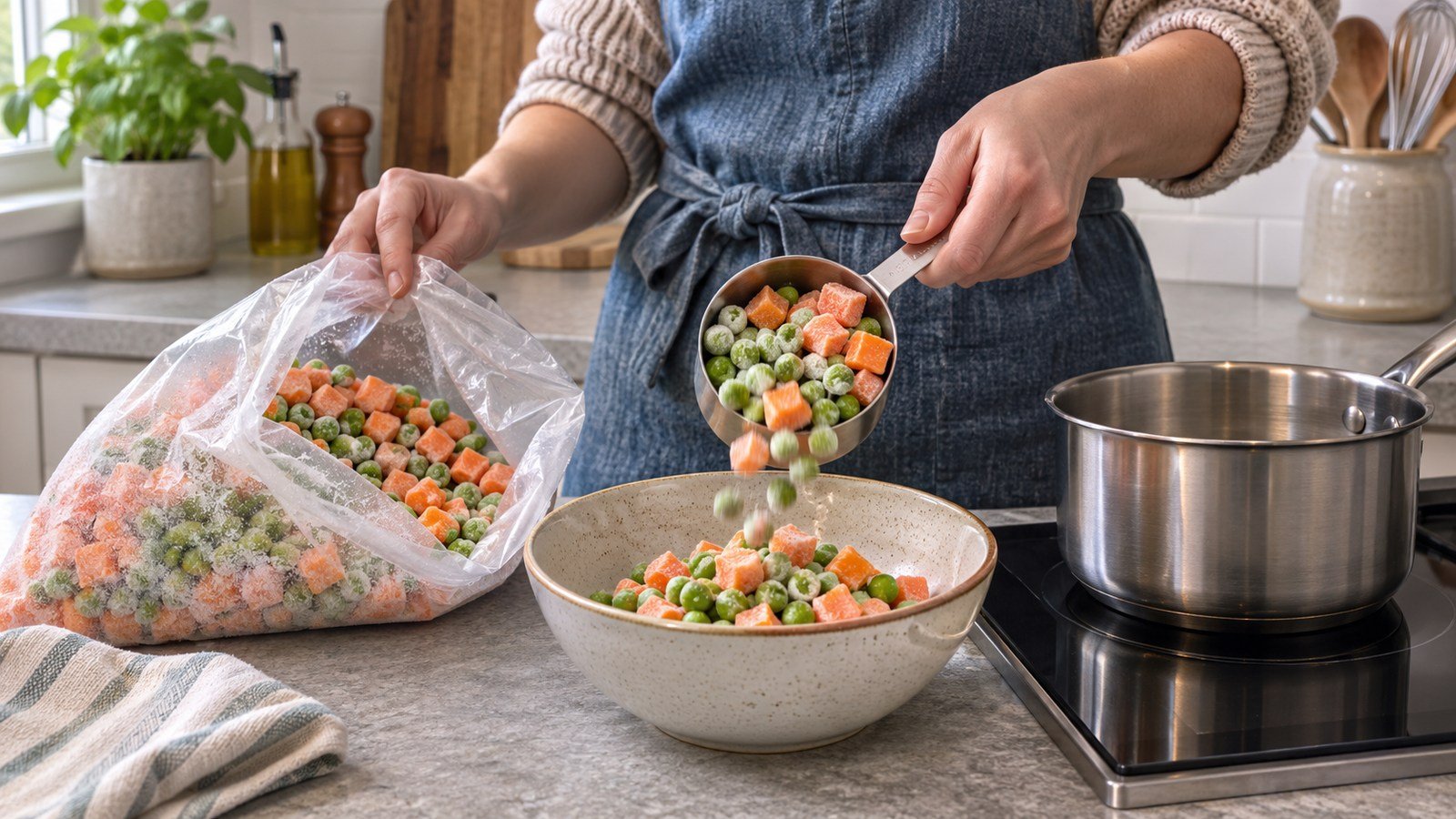
Use the method listed on the package. If microwaving, follow the stated power, quantity, covering, stirring and standing directions. The FDA’s guidance on ready-to-cook foods explains why getting food merely warm may not be enough.
If the bag offers stovetop instructions, read them through before turning on the burner. Set out the pan and any water or other ingredient the directions specify. Don’t guess that a smaller pan or a much larger amount will work in the same time without checking the product’s guidance.
Once you know the basic method, make a short note for your meal plan: “Cook peas and carrots by bag directions; serve beside potatoes.” That is enough to keep dinner moving without inventing a new recipe each night. Keep the package until cooking is complete so the directions remain available.
3 ways to serve frozen vegetables for easy dinners
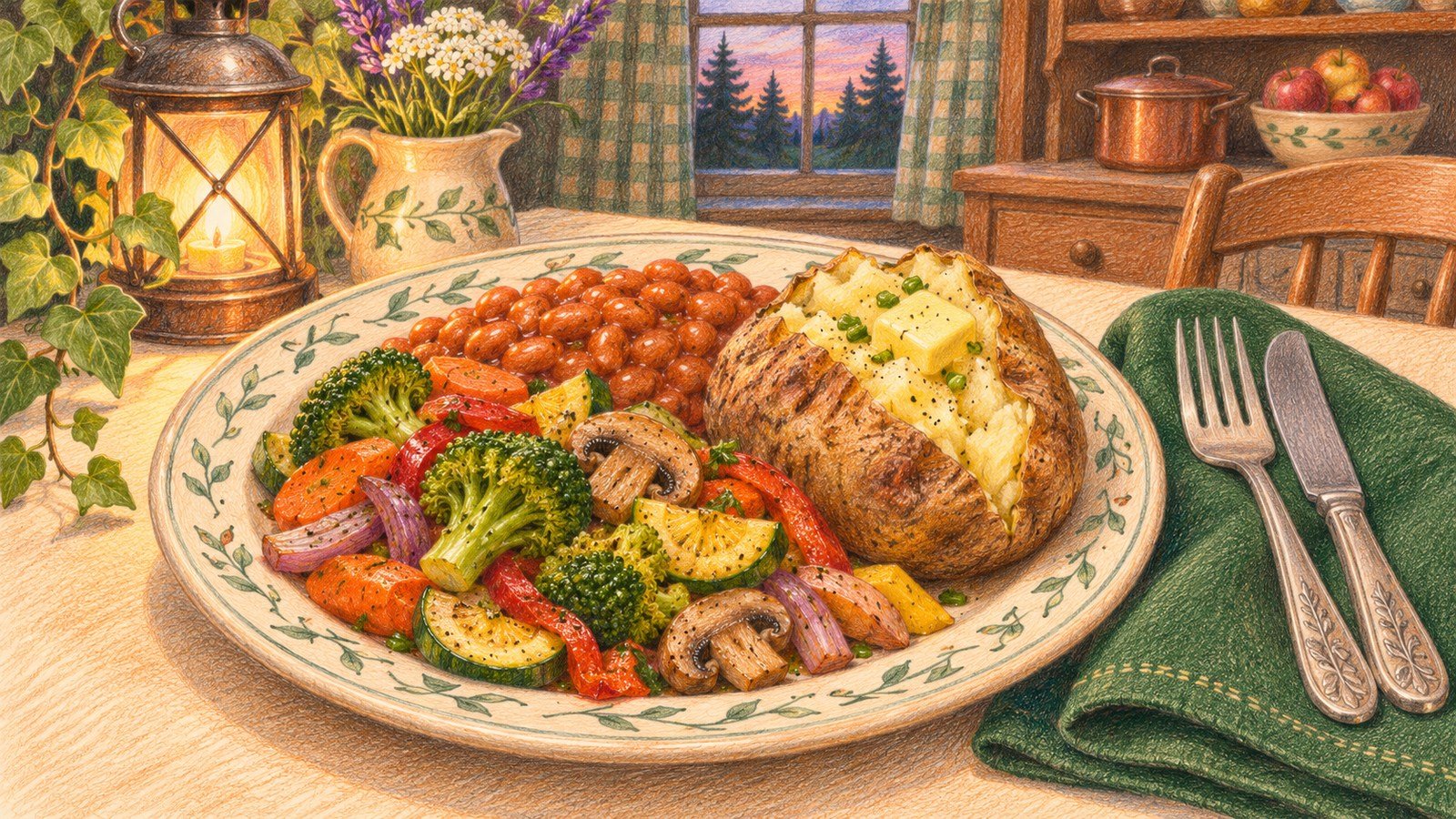
For a first dinner, serve the vegetables beside something familiar. A baked potato with beans and a cooked vegetable side lets everyone choose portions. If people prefer different seasonings, offer the finishing flavor at the table rather than changing the entire batch.
For a grain bowl, pair cooked vegetables with a grain and a protein your household already uses. Keep components separate if that makes leftovers easier to portion. You can combine them on the plate without needing to cook everything in one pan.
For soup, check how that recipe handles frozen ingredients and how it meets the package’s cooking requirements. Don’t drop a cook-required product into a cold salad or smoothie just because it has thawed. Choose a method that includes the required cooking step.
Portion what you need and return the rest promptly
If the package permits cooking only part, measure that amount and close the remaining bag securely. Put it back in the freezer while you prepare dinner. If the directions require the intact package, follow that method rather than opening it for a different procedure without guidance.
Keep an eye on the space you have. Two bags you use regularly may serve your household better than several partly opened mixes you cannot identify. Put similar products together and keep the name and directions with anything transferred to another container.
The FDA’s freezer guidance recommends keeping the freezer at 0°F. It explains that freezing stops most bacteria from growing but doesn’t kill most of them. Proper storage and cooking remain part of the plan, even when a bag has stayed frozen.
Make extra portions into a deliberate second meal
If you cook more than you need, put the extra food away promptly. USDA leftover guidance calls for refrigeration within two hours, or one hour above 90°F, and shallow containers to help food cool. Use refrigerated leftovers within three to four days or freeze them.
Label the container so someone else in the household can tell what is inside and when it was made. Plan an actual use, such as a lunch bowl, rather than relying on remembering that the vegetables are somewhere in the fridge. Reheat leftovers to 165°F, as described in USDA’s reheating guidance, checking with a food thermometer.
If the next meal is already planned around another vegetable, cook less in the first place. A smaller batch can be easier than finding room for another container. The useful measure is whether the food becomes a meal your household eats, not whether you emptied the bag in one go.
Leave a useful note for the next cook
If somebody else handles dinner tomorrow, leave the product name, the meal you planned and where the package is stored. Ask them to read the directions themselves rather than copying a time from memory. A second bag that looks similar may call for a different quantity or method, especially if one contains sauce and the other is plain.
Check the freezer before the next shopping trip
Open the freezer before writing the list. Look for a bag you can use with something already in the pantry. Write down the meal, then buy only what completes it. Compare prices by the amount you will use, including whether a sauce or seasoning is something you actually want.
For a Mohawk Valley household keeping a few dinners available when winter travel is inconvenient, a familiar frozen vegetable can help make a pantry meal feel complete. It still takes a plan for cooking and serving; the freezer doesn’t decide dinner for you.
Our cook once, eat twice guide offers a broader approach to planning meals and handling leftovers. For now, choose one bag, read the directions and put it beside a dinner you already know how to make. That is a manageable place to start.