
By David LaGuerre
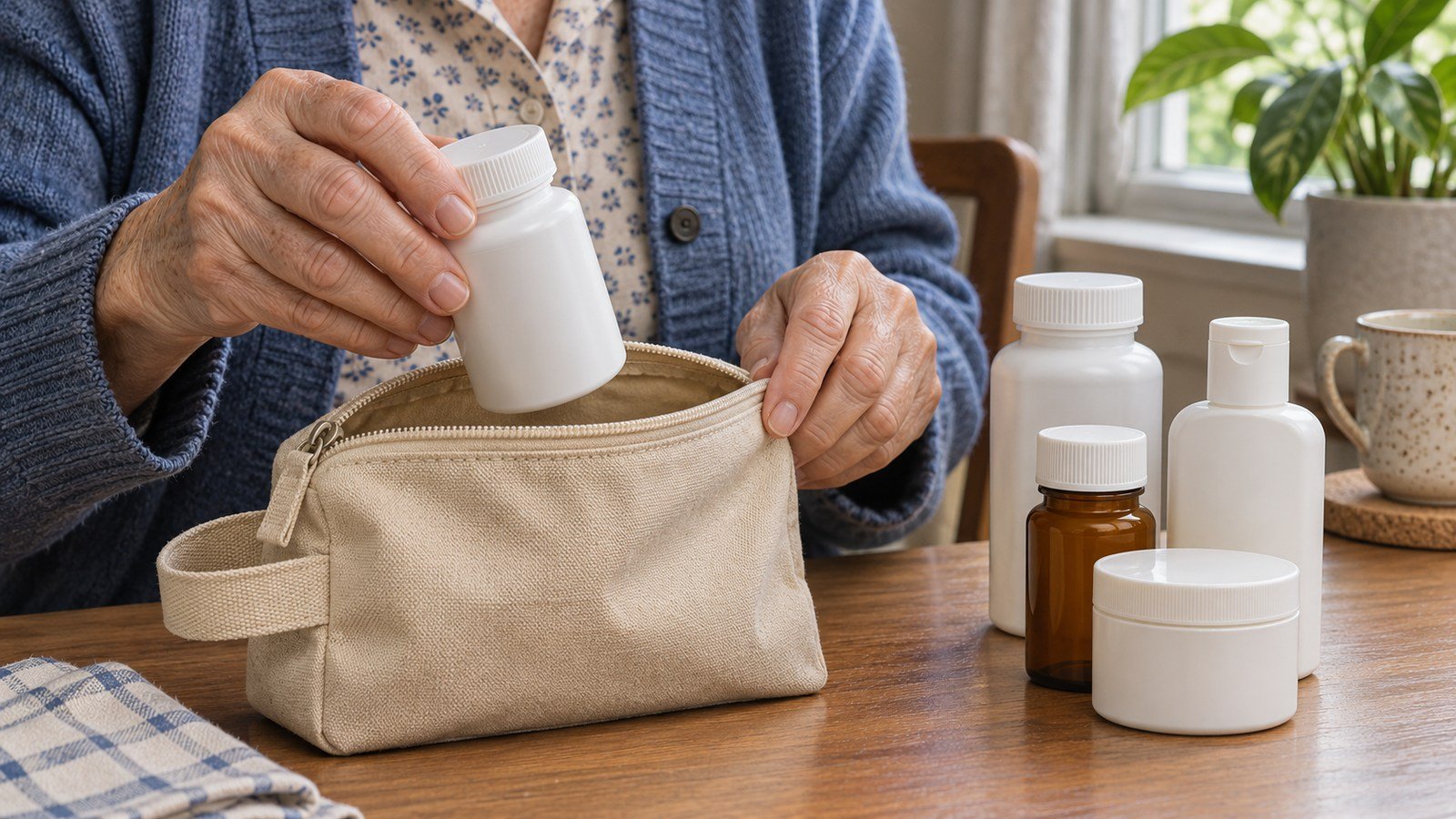
New York medicine take-back options can help you clear unwanted drugs from a cabinet without guessing where they should go. The useful first step is finding a collection route and checking what it accepts. A nearby pharmacy may offer a drop box, mail-back supplies or another approved method, but don’t assume every counter takes every item.
This guide is about finding disposal resources, not deciding whether to stop a medicine. If you’re unsure whether you still need a prescription or how to identify an item, ask your pharmacist or prescriber before setting it aside for disposal.
Start with the state’s coordinated program
The New York State Department of Health drug take-back page points consumers to the coordinated New York take-back website. The program provides a way to find secure collection sites and obtain mail-back supplies for covered unused drugs at no cost to consumers.
Use your ZIP code and check the options the site provides. For a Mohawk Valley resident, the most convenient choice may depend on where you already travel for groceries, appointments or work. A site near a regular stop may be easier to use than one that is slightly closer to home but requires a separate trip.
The state also lists 844-482-5322 for information or mail-back supplies. If you cannot use the locator, call and explain what kind of collection option you need. You can ask about access, accepted items and the steps for ordering supplies without reading private prescription details to an unrelated business.
Confirm the rules before leaving home
Call the listed site or use the program’s current instructions. Ask whether the collection service is available, what hours apply and whether you can reach the receptacle without using a restricted area. A store’s general opening hours and access to a collection service are not necessarily the same thing.
Ask about the type of item you have. Tablets, liquids, inhalers and other products may require different handling, and a return program may exclude some categories. If a container is leaking, damaged or unfamiliar, ask for specific instructions before trying to package it yourself. Don’t leave medicine beside a full or unavailable box.
A short note can keep the trip simple: site name, hours checked, accepted item type and any packaging instruction. Keep personal prescription information off that note if someone else will see it. You need enough detail to complete the task, not a public inventory of the medicine cabinet.
Separate medicine returns from sharps
Needles, syringes and lancets need their own disposal route. Don’t put them into an ordinary medicine take-back receptacle or a drug mail-back envelope. New York’s safe sharps collection information explains household collection options, including hospital programs.
Contact the collection program to confirm the container and drop-off instructions before transporting sharps. The state’s community sharps page also links to a locator for relevant disposal services. Use the route intended for the item rather than trying to fit everything into one errand.
If you find a mix of medicine containers and sharps while helping a relative, stop and separate the questions first. Ask the appropriate program how to handle each category. You don’t need to open, sort or move something you cannot handle safely just to finish the cabinet in one afternoon.
Choose a mail-back option when the trip is difficult
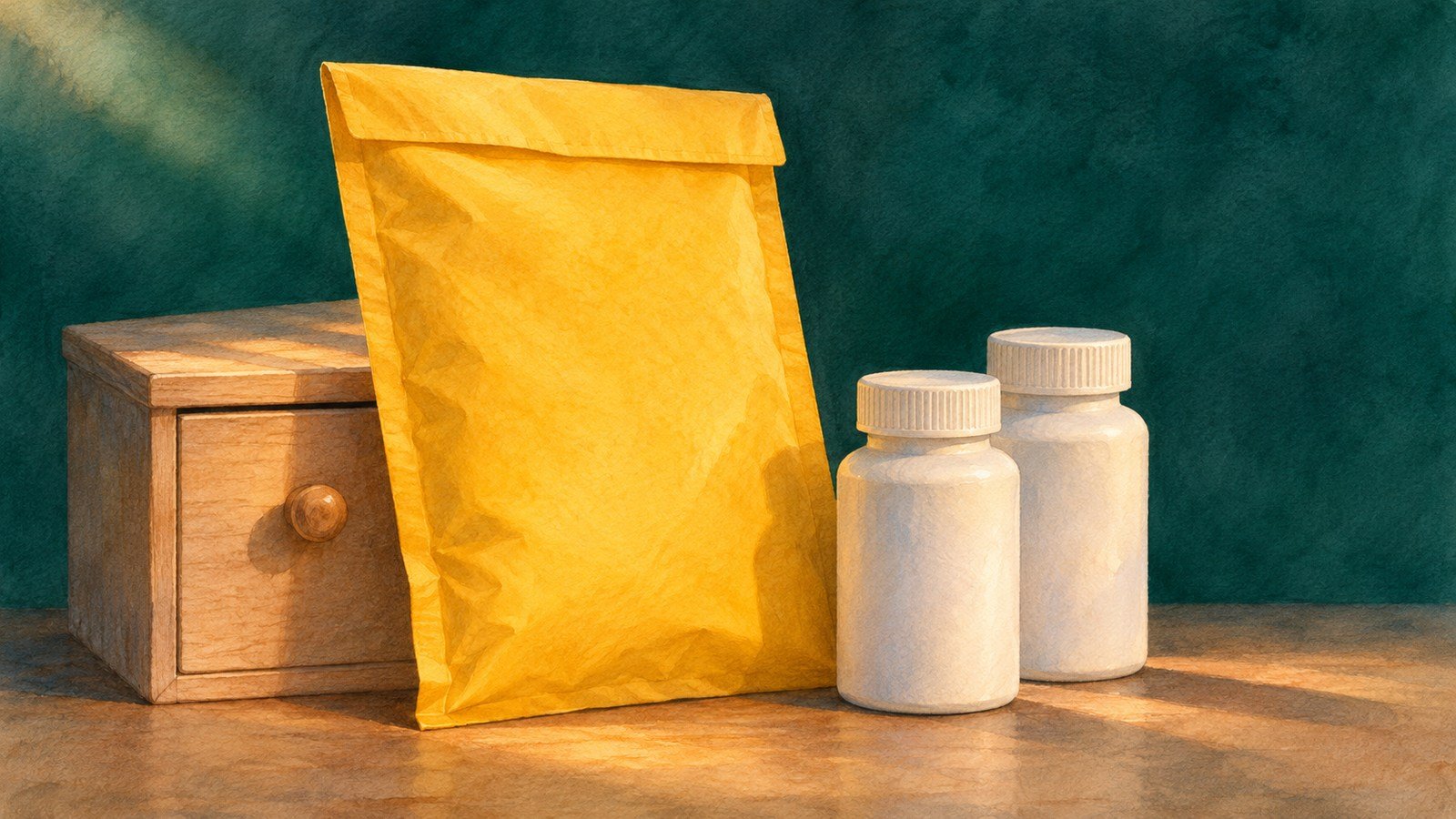
A mail-back program can be useful if transportation, weather or mobility makes a collection visit inconvenient. Order the supplies through the state-linked program and read the instructions that arrive with them. Check which items the envelope accepts, how to seal it and where to return it.
Use the supplied package for its intended purpose. Don’t substitute an ordinary envelope or add items the instructions exclude. If you are uncertain whether a particular product belongs in it, call the program before sealing the package.
Plan who will complete the mailing if you are helping someone else. “The envelope arrived” is one step, not the end of the task. Keep the instructions with it until the return is complete, and agree on a safe place for the materials while waiting to mail them.
Protect personal information and follow the specific directions
The FDA’s household medicine-disposal guidance recommends removing personal information from empty medicine packaging before discarding it. For a take-back return, follow the program’s instructions about labels, containers and privacy.
Don’t pour liquids together or open containers merely to make the collection smaller unless the program specifically directs you to do so. Keep anything still needed separate from the unwanted items so it doesn’t get returned by mistake. A second check of the selected containers is worth doing before leaving home.
If take-back is not readily available, ask your pharmacist about the product and consult the FDA’s disposal questions and answers. Some medicines have special instructions. Don’t assume that the sink, toilet or household trash is the right choice for every drug.
Leave a clear handoff if someone is helping
If another adult will carry out the return, give them the program instructions and tell them which containers you selected. Ask them to confirm that the drop-off or mailing is complete rather than leaving the task open-ended. Keep any medicine still in use out of the return package and avoid combining someone else’s cabinet cleanup with yours without their involvement.
Make one manageable cabinet check
Choose one shelf or a small group of containers. Ask the person who uses them to identify which are still needed, and bring uncertainties to a pharmacist. You can make progress without emptying an entire cabinet onto the kitchen table.
Once you’ve chosen a verified route, put the return on your errand list or request the mailer. If several people share the household, tell them what is awaiting disposal so nobody mistakes it for medicine to use. Keep the items secure while completing the process.
Our emergency paperwork guide can help with organizing important household information separately. For medicine disposal, keep the task focused: identify the unwanted item, confirm the program accepts it and follow that program’s current instructions. A verified collection route is more useful than a guess made while cleaning.

