By David LaGuerre
The best time to decide how to store New York apples is when you bring a bag home. A firm one can go into a lunch bag tomorrow. Another might be better cooked into a topping for breakfast. A quick sort and a spot in the refrigerator make it easier for the family to use what you bought before the next shopping trip.
Buy for the way your household eats
At a grocery store or farm stand, look for firm fruit without obvious bruising. Cornell Cooperative Extension in Herkimer County recommends handling apples gently and keeping them cold at home to preserve their texture. If your household eats one or two apples a week, try buying a few loose ones. A larger bag makes more sense if you have room in the fridge and a plan for both snacking and cooking.
If you want apples grown in the state, check the label or ask the vendor. The New York Apple Association’s guide lists Honeycrisp and Gala among snacking choices and Cortland and Empire among baking choices. Use that as a starting point, then try what you like. For a cooked topping, a mix of tart and sweet fruit can be more interesting than either one alone.
Sort and refrigerate when you unpack
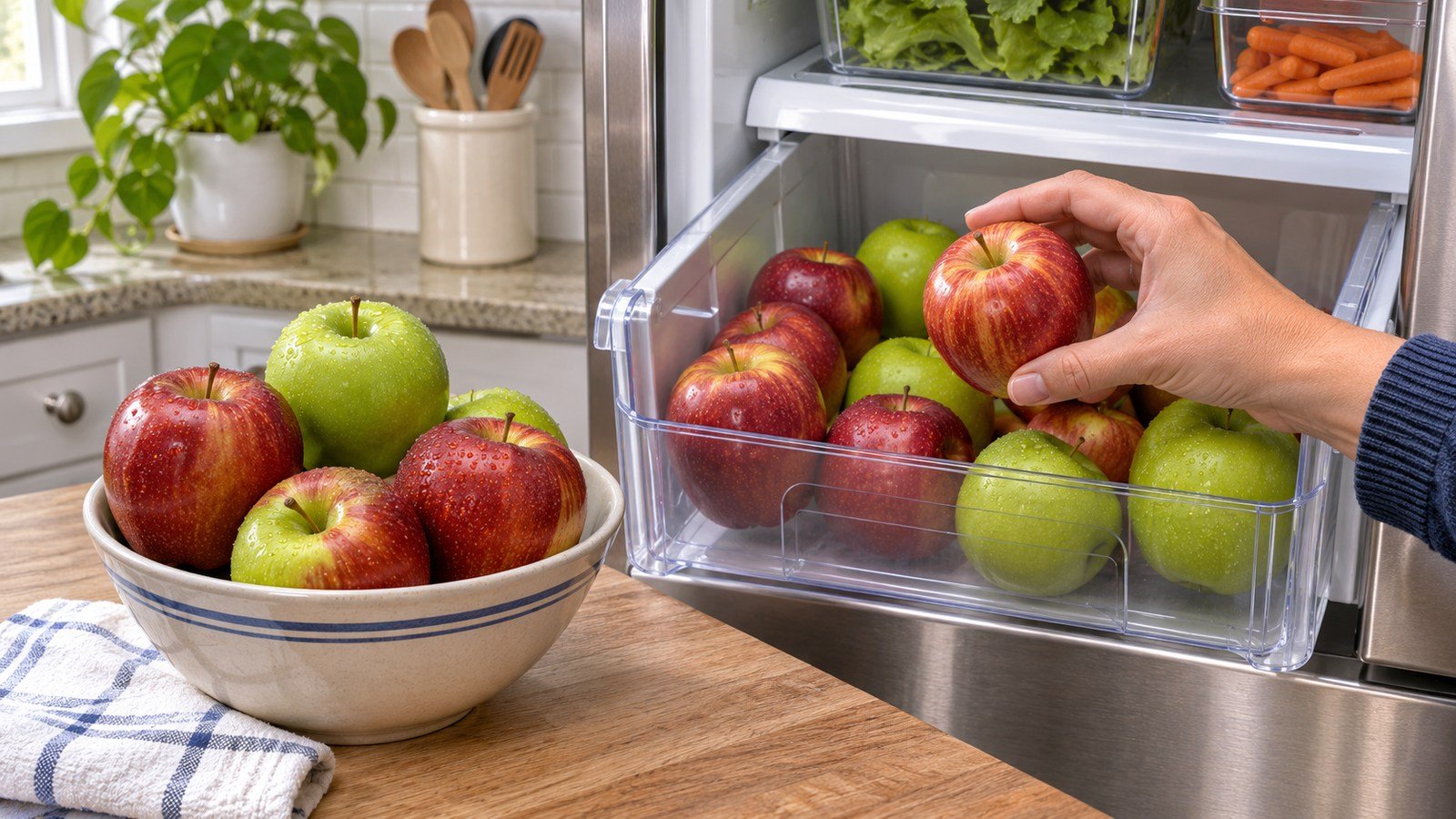
Give firm, undamaged apples a place in the crisper. Cornell’s Herkimer County guide suggests a ventilated bag and keeping apples away from strongly scented foods. It also recommends separating apples from vegetables such as broccoli and leafy greens where space allows. If you use two bags, put the one you want to finish first where you will see it.
An apple with a small bruise can go on your use-first list if the fruit is otherwise sound. The FDA’s guide to selecting and preparing produce advises cutting away bruised or damaged spots and discarding rotten produce. Wash apples under running water before eating, peeling or cutting them. Plain water is what the FDA recommends; skip soap and produce wash.
Plan three uses before you cut anything
Start with whole apples for snacks. For lunch, cut only the amount you expect to eat that day. A little lemon juice can help slow browning, a suggestion from the New York Apple Association. Use a covered container, keep cut fruit refrigerated and pack an ice pack if the lunch will be out of a refrigerator. Under FDA guidance, perishable food should go back into the refrigerator within two hours, or within one hour above 90°F.
Give the next group a savory job. Dice an apple into a salad just before serving, slice one to go with a cheese sandwich, or add thin wedges to a cabbage slaw. When one person likes tart apples and another prefers sweet, keep the chopped apple separate until you serve so everyone can add the amount they want.
Make a small batch of stovetop apples
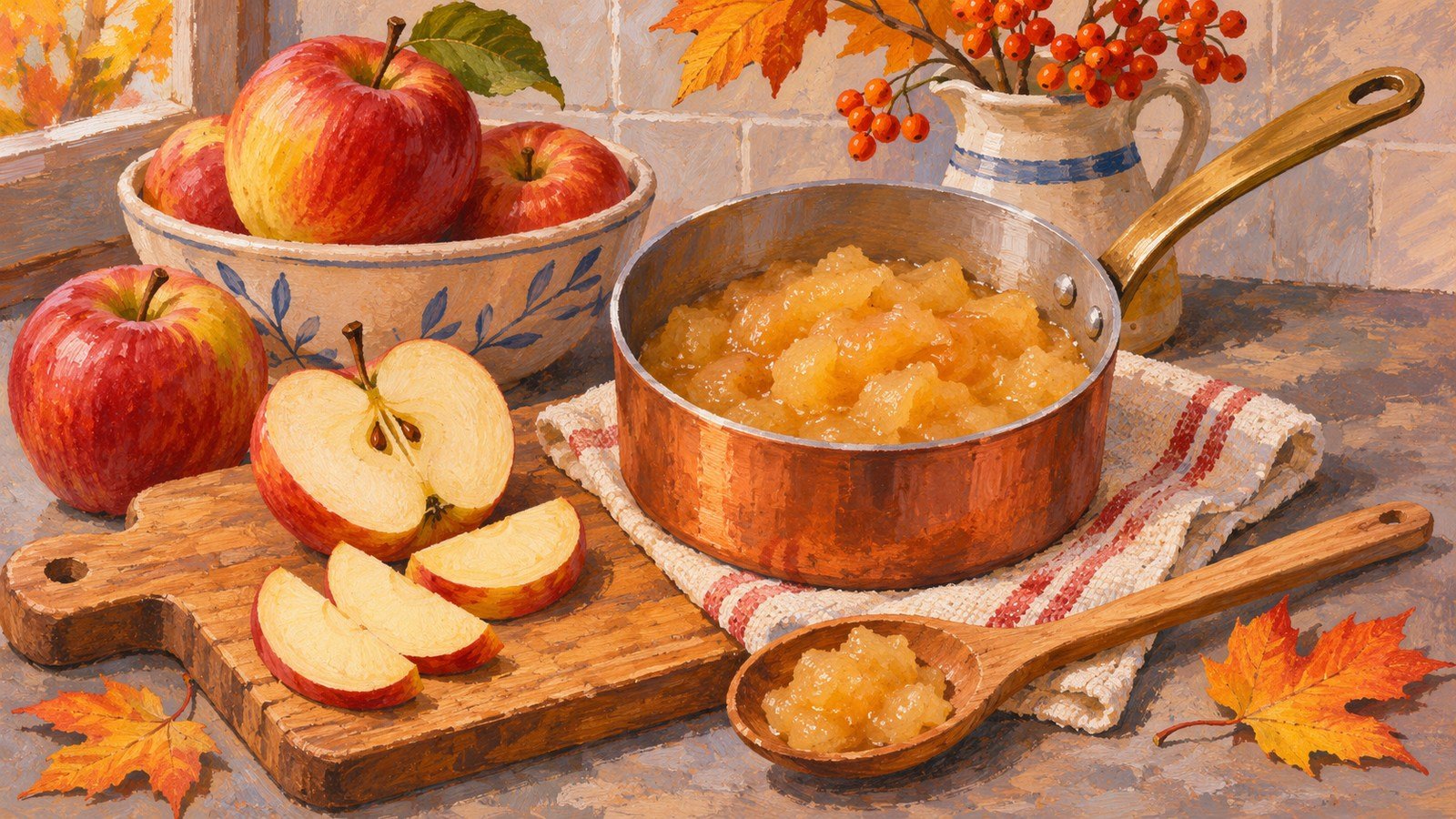
Wash two or three sound apples. Core and chop them, trimming any minor bruised spots first. Put the pieces in a small saucepan with a splash of water. Add a pinch of cinnamon if you like. Cover and simmer gently, stirring now and then and adding another spoonful of water if the pan starts to dry out. When a fork can mash the pieces, leave them chunky or press them into a rough sauce.
Serve the apples over oatmeal, plain yogurt or pancakes. They also work alongside a savory meal. Start with a small batch to see how fast your household uses it. Promptly refrigerate any extra in a shallow, covered container. This recipe is a fresh topping for the fridge, so use a tested recipe from a trusted canning source if you want a shelf-stable product.
Get the family in on the plan
Ask everyone to pick one way they’ll use the apples. One person might want thin slices for a sandwich, while another would rather have warm apples with breakfast. If you are trying a variety for the first time, buy one and taste it before committing to a bag. For a casual taste test, cut a few slices from two apples just before serving and let everyone choose a favorite. Note what the grocery label said so you can buy it again.
If you are bringing fruit to another household, give them whole apples when you can. They can wash and cut them when they are ready. If the apples are already sliced or cooked, transport them cold, and tell the recipient which container to refrigerate when you hand it over.
Give the crisper a quick check before shopping again
Open the drawer before writing the grocery list. If you still have four firm apples, you can buy something else or plan another meal that uses them. If the use-first bag keeps going untouched, move it to the front of the drawer or plan a specific day to cook it. Write “use these Thursday” on a scrap of paper so someone else can see the plan.
A family that prefers crisp slices may need fewer apples per trip. A family that eats baked or stewed fruit can split the bag as soon as it comes home. Either way, the useful habit is the same: Choose the next apple while you are putting the groceries away.