

Letitia James urged New Yorkers to save receipts and report unusually high prices on essentials such as fuel, batteries and lodging.
A New York price gouging alert issued Thursday, Nov. 26, asks shoppers to report sharply higher prices for essential goods and services during the Thanksgiving coastal storm. Attorney General Letitia James’s office cited food, water, gasoline, generators, batteries, flashlights, hotel rooms and transportation as examples.
The attorney general’s office said it expected high winds, heavy rain and possible flooding Thursday into Friday. Its Nov. 26 consumer alert, republished by LongIsland.com was a warning to sellers and a request for reports, not a finding that any particular business broke the law. “Severe weather is not a price gouging permission slip,” James said.
What the New York price gouging alert covers
New York’s law addresses excessively high prices for goods or services people need for their health, safety or welfare during an abnormal market disruption. It can apply beyond the checkout counter: the law covers parts of the supply chain, including manufacturers, suppliers, wholesalers and retailers, under the conditions it sets out. Emergency repairs can also fall within its scope.
A higher price alone does not establish a violation. The law allows a court to compare the seller’s price with what it typically charged just before the disruption, or with prices for the same or similar items readily available nearby. A seller may respond with evidence that the increase reflected costs outside its control or preserved its previous profit margin. The court decides whether the price was unlawfully excessive.
The alert cited potential civil penalties of up to $25,000 per violation. The state statute also permits a cap of three times the gross receipts for the relevant goods or services when that amount is greater. A court may order repayment to affected customers when appropriate.
How to document a price before you report it
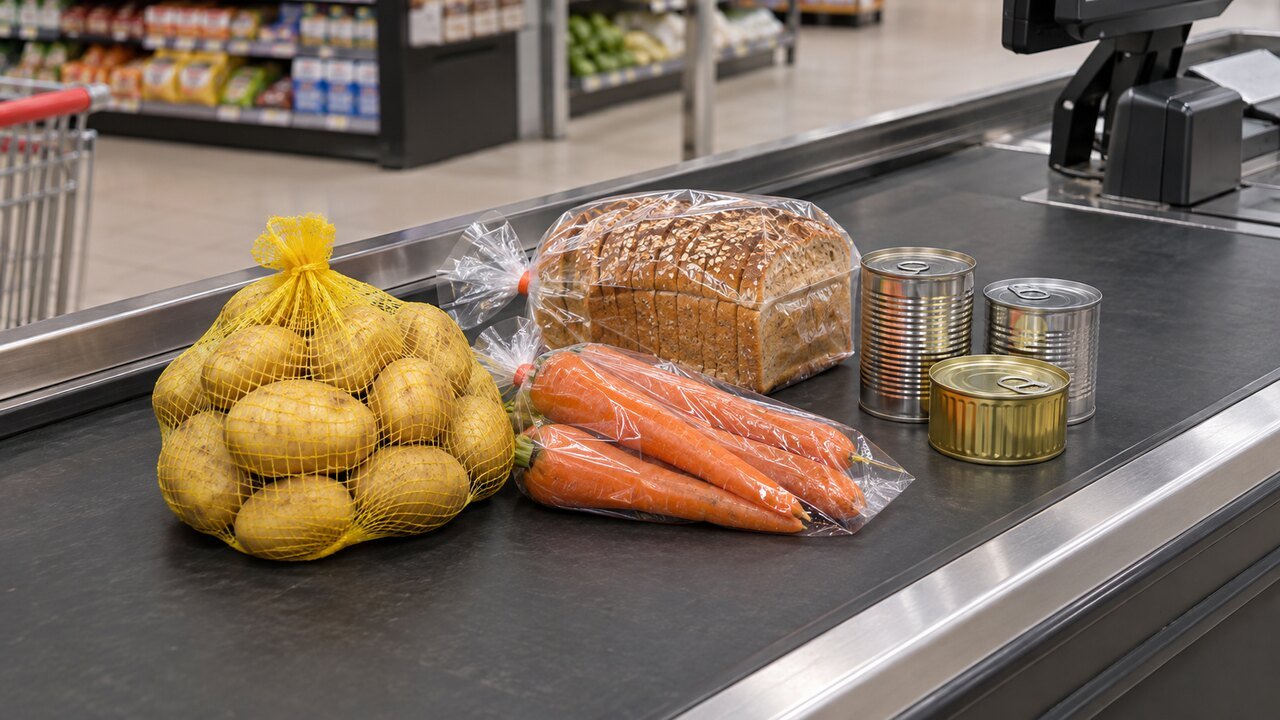
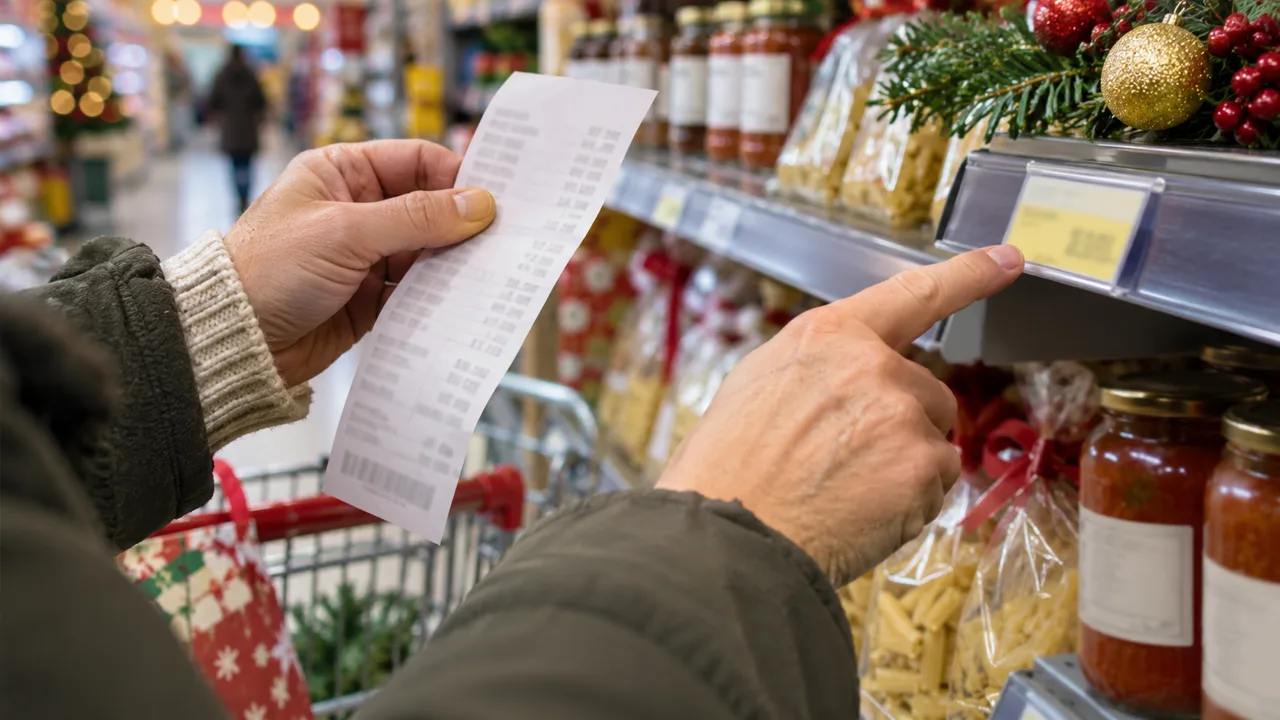
Save the receipt or booking confirmation if you made a purchase. If you only saw an advertised price, the attorney general’s office says to send a photo if available. Record the amount, when you saw it and where. If you have an earlier price for the same item or service, save that too, so investigators can see the difference.
For a store purchase, include the package size or model so investigators can tell whether the prices are for the same product. For a hotel room, save the date, room type and any fees shown separately. A screenshot of a listing can preserve details that might disappear when the page changes.
If you send a screenshot, keep the seller’s name and the date visible. Leave out unrelated financial information, such as a full card number, when it isn’t needed to show the price. Use the attorney general’s online price gouging complaint form or call 1-800-771-7755. The state’s price gouging resource page explains the law and links to the complaint form. You don’t have to decide whether the law was broken before sharing what you saw.
What the alert means for Mohawk Valley readers
The governor’s emergency declaration names the five New York City counties, Nassau, Suffolk, Westchester and contiguous counties. Oneida County is not named and does not border those counties. A separate wind advisory covers Utica, Rome and Madison County, as noted in VoiceMV’s Thanksgiving update. The two notices are not the same.
The complaint information is useful if your holiday trip takes you into an affected area or if you encounter an unusual price on a storm essential. Focus on your family’s immediate safety first. If you can safely save a receipt or a screenshot, write down where and when you saw the price so it is easier to report later.

