
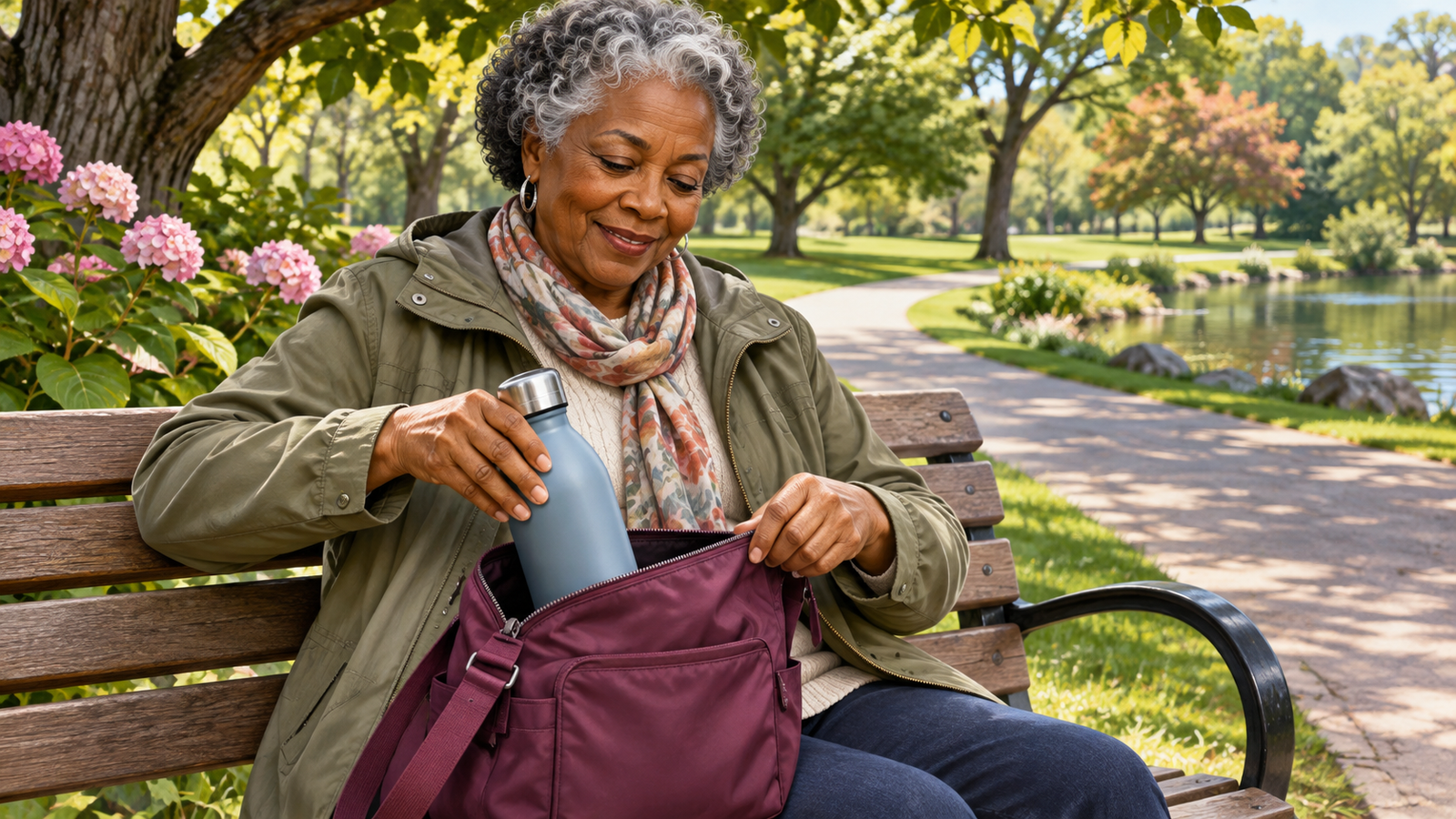
Start with access to water and advice that fits your health, rather than a bottle-size challenge.
By David LaGuerre
You are ready for a walk, a class or an afternoon in the garden. Your shoes are by the door, but your water bottle is still in the cupboard. Knowing that fluids matter and making them available are two different tasks.
A useful drink plan connects everyday habits with the activity you actually do. It also leaves room for medical advice. A rule shared by a friend or printed on a large bottle may not fit your needs.
This guide is for planning ordinary activity, not treating dehydration or setting a drinking target for an endurance event.
Understand why there is no single number here
The CDC’s water guidance explains that fluid needs vary with age, activity and other factors. Water comes from drinks and foods, not just the amount poured into one bottle. Being more physically active or spending time in hot conditions can increase your needs.
That is why comparing your bottle with someone else’s is a poor starting point. Ask what is appropriate for your health and the kind of activity you plan.
Write down the question before your next health visit. If you take medicines or have a condition that affects fluid balance, bring that information into the conversation. Do not change a prescribed plan because of general exercise advice.
Clarify any fluid limit before making changes
The National Institute on Aging’s Drinking Enough Fluids handout, available through New Mexico’s aging department, specifically tells people who have been advised to limit fluids to check with their doctor.
If you have such instructions, ask how they apply on an activity day. Does your plan need to account for a longer session, a warm room or time outdoors? Which drinks and foods count toward the limit you were given?
Ask for instructions you can follow without guessing. Keep the answer with your activity notes, and tell a trusted helper where those instructions are if they help you prepare.
A general newspaper guide should not override a personal fluid restriction. Nor should a trainer or classmate set a medical limit for you.
Make water easy to reach before you leave
Choose a clean container you can carry, open and use comfortably. A bottle is useful only if it fits your bag and your hands. You do not need to buy a special product to begin a simple routine.
Put filling the container on the same preparation list as your keys and phone. Check whether the place you are visiting allows bottles and whether drinking water is available there.
For a Mohawk Valley outing, think through the entire trip rather than the activity alone. Travel, waiting for a class and the ride home all belong in your planning.
If you are going somewhere unfamiliar, ask about refill access before arriving. Do not build the plan around a fountain or service you have not confirmed exists.
Connect the routine to an existing habit
Pick a cue you already notice. It might be setting out walking shoes, packing a class bag or preparing breakfast. Use that cue to check your drink arrangement.
For example, when you put the activity notebook in the bag, check that the bottle is ready. When you return, empty and clean the container according to its instructions and put it where you will find it next time.
This is a preparation suggestion, not a direction to finish a fixed amount at every cue. The amount and timing should fit the advice you have received.
If the routine keeps failing, identify the obstacle. A heavy bottle, a difficult lid or an inconvenient location calls for a practical adjustment rather than a more ambitious reminder.
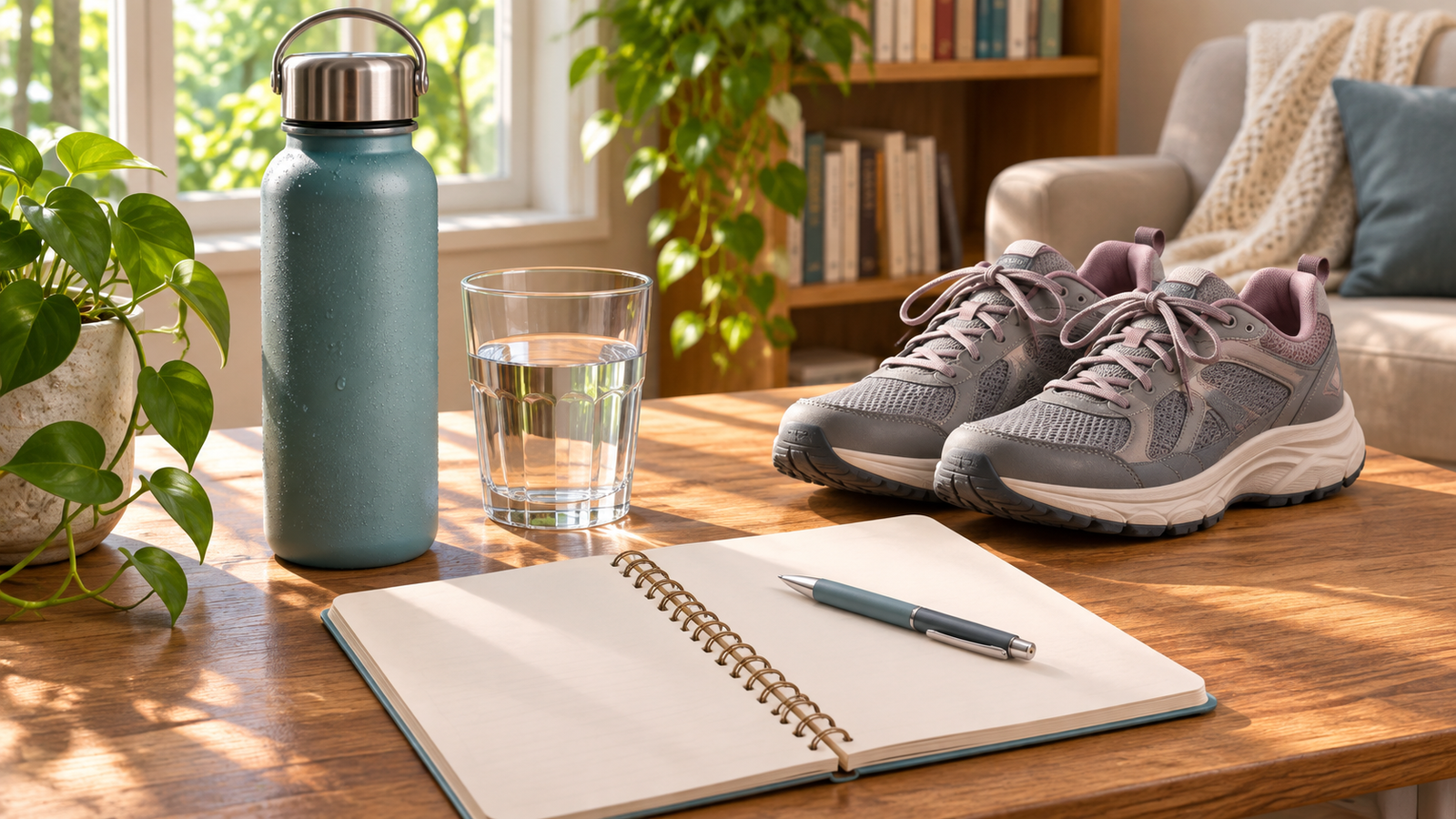
Choose a drink deliberately
CDC recommends choosing water instead of sugary drinks and notes that some sports and energy drinks contain added sugars. Its Rethink Your Drink page offers alternatives such as plain water, unsweetened sparkling water and water flavored with fruit slices.
Before buying a drink marketed for exercise, read what is in it and decide what you need it for. A product’s fitness theme is not a personal recommendation for your activity.
If a clinician or sports professional has given you a specific plan for a demanding event, follow that plan. Do not use advice for a short neighborhood walk as a replacement for specialized guidance.
Keep the choice affordable and repeatable. A routine that depends on a product you rarely have at home may be harder to maintain than one built around an option you already use.
Plan opportunities to pause
Look at the session or route before starting. Where can you stop comfortably? If you are joining a class, ask how breaks work and where your drink can be kept.
If you need assistance opening a container or carrying it, arrange that help beforehand. A partner can support the routine without deciding how much you should drink.
Pay attention to conditions rather than assuming every visit will feel the same. A warmer day or a different session is a reason to review the plan and seek appropriate guidance.
Do not make finishing an activity without a pause a test of determination. Preparation should make it easier to respond to your needs.
Know when this becomes a health question
MedlinePlus, from the National Library of Medicine, lists thirst, dry mouth, less urination, tiredness and dizziness among possible adult dehydration symptoms. These symptoms deserve attention; a bottle checklist cannot diagnose their cause.
MedlinePlus advises getting medical help right away when symptoms include confusion, fainting, lack of urination, rapid heartbeat or rapid breathing. Stop the activity and get help rather than trying to complete the session first.
Older adults may have a reduced sense of thirst, and some conditions or medicines can increase dehydration risk. Ask your health professional how to recognize and respond to problems in your own situation.
Review what worked after the activity
Make a brief practical note: Was the drink accessible? Did the container leak? Was the refill location available? Did you have a question about symptoms or your instructions?
Use the answers to improve the next outing. If a health concern arose, bring it to your clinician rather than treating the note as a self-diagnosis.
A good everyday drink plan is simple enough to repeat: understand your personal guidance, arrange access, choose deliberately and know when to seek help. That supports the activity without turning hydration into a competition.
Official resources checked November 10, 2026. Follow individualized medical advice, including any prescribed fluid limit. Images are conceptual illustrations.