


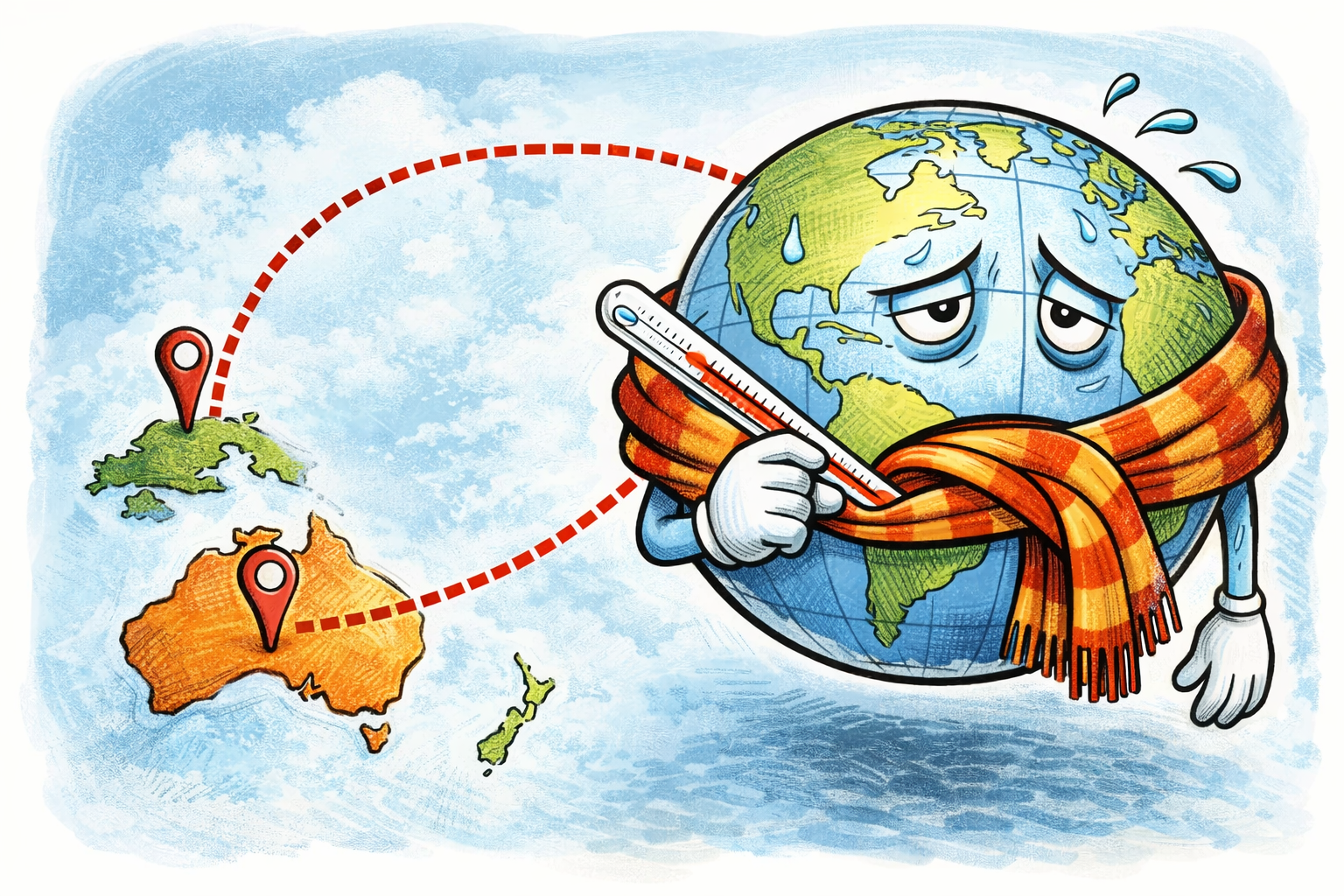
Early data shows a sharp rise in “Subclade K” cases, echoing severe trends seen in Australia.
This season brings a new challenge to our doorsteps: a rapidly spreading strain of influenza known as the H3N2 flu variant, or “subclade K.” If you have noticed more friends and neighbors falling ill earlier than usual, you are not imagining it. Data confirms that this specific genetic variant is driving an 8.1% nationwide uptick in positive tests, creating a severe risk for families from the inland West to the Northeast. The virus has changed, making it easier to catch, but understanding these shifts is your first line of defense against muscle aches, fevers, and hospitalization.
The Rise of “Subclade K”
We often think of the flu as a predictable yearly visitor, but this year’s guest is behaving differently. Reports indicate that the influenza A H3N2 strain is outpacing expectations.
According to recent data highlighted by Fox News, this particular variant has undergone genetic changes. These mutations act like a disguise, helping the virus slip past our immune system’s defenses more easily than previous strains. The Centers for Disease Control and Prevention (CDC) has flagged this activity early, noting that hospitalizations are creeping up alongside case numbers.
Where is it Spreading?
The spread is not uniform, but it is aggressive. The current data shows a specific corridor of infection:
-
Inland Western States: Seeing early clusters of high activity.
-
The Northeast: Experiencing a rapid acceleration in positive tests.
-
Nationwide: An overall 8.1% increase in positivity rates compared to previous weeks.
“Experts previously predicted that this flu season would be more severe than some previous ones, due to genetic changes to the virus that made it easier to infect people.”
Lessons From the Southern Hemisphere
To understand where we are going, we have to look at where the virus has been. The Southern Hemisphere experiences winter during our summer months. Their flu season often serves as a crystal ball for the United States, and the prediction this year was clear and concerning.
The Australian Warning
Australia recently concluded a record-breaking flu season. The country saw its national record for flu cases shattered. Why is this important for us?
-
Same Variant: The H3N2 subvariant that dominated there is the same one circulating here.
-
High Transmission: The virus moved quickly through populations.
-
Vaccine Hesitancy: Public health officials noted that lower vaccination rates contributed to the severity of the spread.
We are now seeing those same patterns emerge on American soil as our temperatures drop and we spend more time indoors.
Recognizing the Symptoms
Because this H3N2 flu variant is causing more severe illness, it is vital to recognize the signs early. This is not just a “bad cold.” The onset is often sudden and intense.
Watch for these key indicators:
-
High Fever: often spiking quickly.
-
Severe Muscle Aches: deeper and more painful than the common cold.
-
Persistent Cough: which can lead to respiratory distress.
-
Fatigue: extreme tiredness that can last for weeks.
If you or a family member experience shortness of breath or persistent high fever, medical attention is required immediately. This variant is leading to higher hospitalization rates, so “toughing it out” is not always the safest option.
Why Vaccine Hesitancy Matters Now
The data from Australia highlights a critical vulnerability: vaccine hesitancy.
When fewer people get vaccinated, the virus has more opportunities to mutate and spread. While no vaccine is 100% perfect, the current flu shot is our best tool for dampening the severity of the illness. Even if you catch the subclade K variant after being vaccinated, your chances of ending up in the hospital are significantly lower.
We are at a pivotal moment. The choice to vaccinate helps build a community wall of protection around the most vulnerable—our elderly neighbors and young children.
How to Protect Your Family
Prevention is about layering your defenses. While the news of a new variant is worrying, we have effective tools to fight back.
Simple Steps, Big Impact
-
Wash Hands Regularly: It sounds basic, but it destroys the virus envelope. Scrub for 20 seconds.
-
Stay Home When Sick: Do not push through. If you are symptomatic, you are contagious.
-
Ventilate Spaces: Fresh air dilutes viral particles. Crack a window when possible.
-
Consider the Shot: Consult your doctor about the flu vaccine, especially given the severity of this strain.
Conclusion: Stay Alert, Not Anxious
The arrival of the H3N2 subclade K variant is a serious public health event, but it is one we can manage with awareness and action. The 8.1% rise in cases is a warning light on the dashboard—it tells us to pay attention, not to panic.
By watching for symptoms, maintaining hygiene, and considering vaccination, we can flatten this curve before it peaks. The season for coughing and fevers is here, but so is our ability to keep our communities safe.
Take the next step: Check your local pharmacy for vaccine availability today, and ensure your household is stocked with basic flu supplies like thermometer batteries and hydration fluids.
Disclaimer: This article provides information for educational purposes and does not substitute professional medical advice. Always consult a healthcare provider for medical concerns.


