


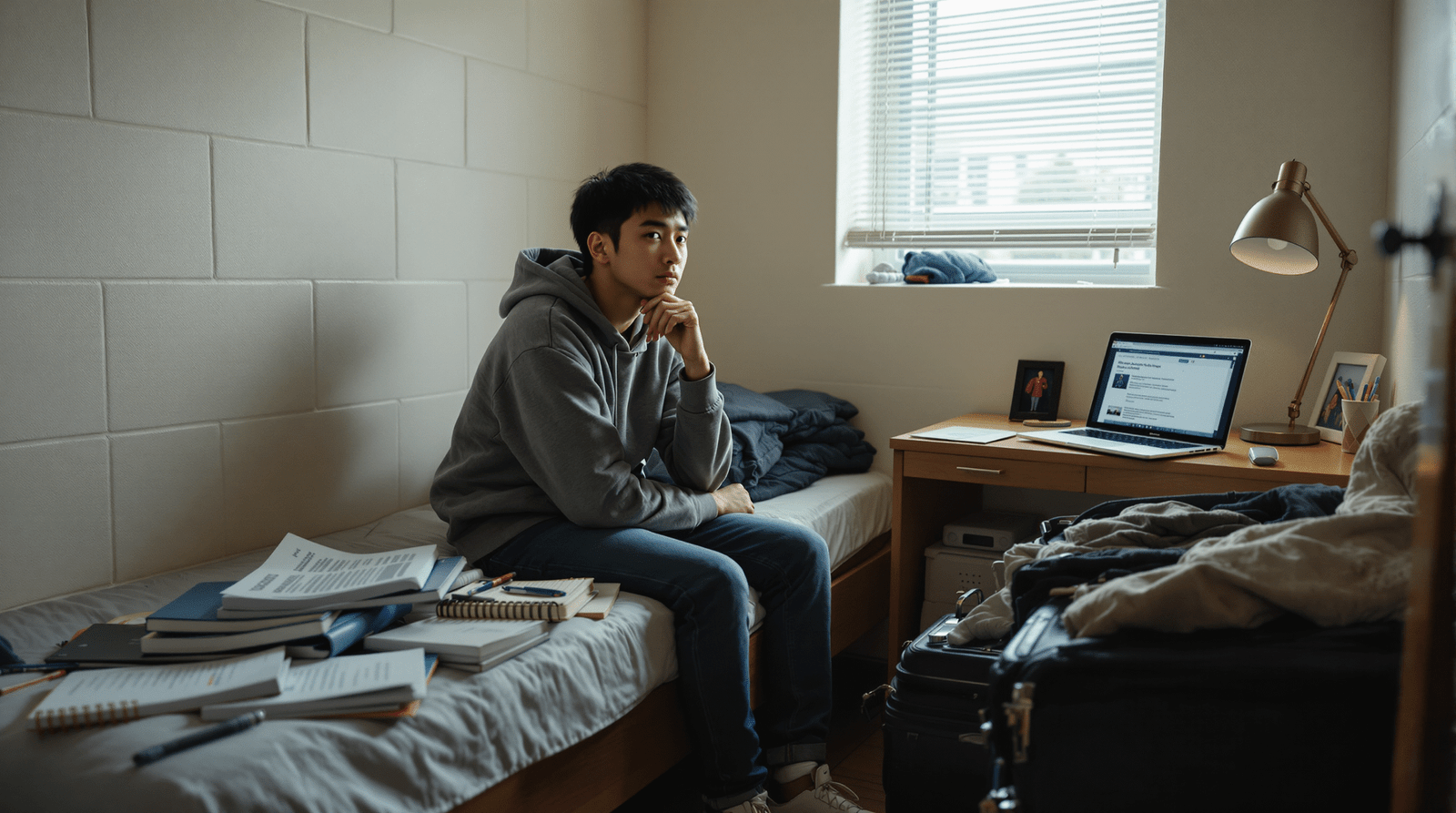
How Shifting US Policies and Global Rivalries Threaten the Dreams of Chinese Students
The US-China student visa conflict is creating ripples that reach far beyond the diplomatic corridors of Washington and Beijing. With over 270,000 Chinese students studying in the United States in 2024, many from hardworking middle-class families, recent policy changes have shaken a long-held belief in the American dream. Families invest years of savings and hopes on the promise of quality education. Now, new measures—ranging from aggressive visa revocations to tightened security checks—threaten to upend these aspirations. This article examines the roots of this conflict, explores its human impact, and discusses how the intertwined issues of national security and global competition are fueling tensions between the US and China.
The High Cost of the American Dream
For Chinese families, the journey to the United States is both attractive and arduous. Parents with modest incomes work diligently, often sacrificing much to secure a future for their children. Intense preparation, including years in cram schools and extensive tutoring, underscores how much is at stake. Many of these families see their investment as a pathway to opportunity and success.
However, this hard-fought dream is now at risk. Recent policy announcements from US officials have introduced measures that can lead to the abrupt deportation of students well into their studies. Such actions jeopardize not only academic disciplines like semiconductor engineering and aerospace but also the long-term career prospects of these students. The policies evoke memories of exclusionary practices from the past, casting a dark shadow over what was once an inclusive pathway to higher education.
Policy Shifts and Rising Tensions
New Visa Measures and Their Origins
In May 2025, Secretary of State Marco Rubio introduced plans to aggressively revoke visas for Chinese students. This step is directed primarily at applicants with ties to the Chinese Communist Party and those studying in fields considered sensitive to US national security, including technology and aerospace.
The move builds on measures from the Trump administration. Under previous policies, over 1,000 Chinese graduate students and researchers had their visas revoked in 2020. The administration also restricted American companies from selling specialized software for semiconductor design. Each action, taken in the name of national security, has set a precedent for increasingly stringent oversight of Chinese students.
The Role of Enhanced Screening
US authorities now review social media profiles and conduct deeper checks on visa applicants. Such enhanced scrutiny has led to significant delays and has created a climate of anxiety among prospective students. Universities that depend on tuition revenue from international students face uncertainty as enrollment numbers could drop. These rigorous procedures, while intended to protect intellectual property and national security, risk alienating a group that has long contributed to America’s academic and research prowess.
Technology and Geopolitical Rivalry
The visa conflict is inseparable from the broader struggle for technological and economic supremacy. The United States and China are caught in a high-stakes competition over innovation in artificial intelligence, semiconductors, and other advanced technologies. Restricting access to US education is part of a larger strategy that aims to slow China’s technological ascent. Nevertheless, these measures could harm the US economy and academic leadership. US universities not only provide quality education but also benefit greatly from the diverse talent that international students bring.
“It feels like we are being punished for something we never did,” said Li Wen, a graduate student in California. “My family sacrificed everything to get me here. Now, I may have to leave before finishing my degree.”
The Human Toll
Financial and Emotional Strain on Families
The impact is not limited to policy discussions; it reverberates in the personal stories of Chinese families. The decision to send a child abroad is never taken lightly, and the extensive financial planning involved is evidence of the high stakes. Many Chinese families have dedicated years to accumulating the funds necessary for an overseas education. With the specter of visa revocation looming, they face not only the loss of a significant financial investment but also the shattering of lifelong dreams.
For many, the current restrictions evoke memories of historical instances when certain groups were systematically excluded from opportunities. Some students compare the current environment to the notorious exclusion acts of the past, leading to feelings of injustice and disillusionment about the values that the United States once championed.
Academic Disruption and Uncertainty
The disruption caused by visa uncertainties is also evident in academic circles. Students who have already adapted to campus life now find themselves grappling with the possibility of abrupt deportation. This not only disrupts their studies but also creates a ripple effect—undermining collaborative research, diminishing cultural exchange programs, and potentially stalling scientific progress in critical fields. University administrators warn that the long-term impact of these policies might include a decline in the global competitiveness of American higher education.
“It is a terrible predicament for the future of innovation in our country,” remarked Michael S. Roth, president of Wesleyan University. “We are risking the fertility of the ground that helped nurture voices of progress for decades.”
Broader Implications for US-China Relations
Diplomatic Repercussions
The visa dispute has evolved into yet another battleground in the ongoing US-China rivalry. China’s response, articulated publicly by the Foreign Ministry, emphasizes the necessity of safeguarding the rights of international students. Beijing hints at possible retaliatory measures, which may include restrictions on American students studying in China, thus perpetuating a cycle of tit-for-tat policy shifts. These developments further complicate the already strained bilateral relations.
Economic and Educational Consequences
Beyond the immediate human cost, the broader economic and educational impacts of this conflict are significant. Chinese student tuition fees form a critical revenue stream for many US institutions. A potential decline in Chinese student enrollments could weaken university budgets and diminish the financial capacity for research and development. Additionally, the reputation of US higher education as a bastion of openness and innovation is at risk. The balance between national security and educational inclusiveness is more crucial than ever.
Counterarguments and the Need for Balance
Proponents of the new policies argue the measures are essential to safeguard national security and protect intellectual property rights. They believe that close ties between Chinese students and state-controlled institutions pose a risk that cannot be ignored. On the other hand, critics from academia and advocacy groups counter that such restrictions are counterproductive. They maintain that hindering the exchange of ideas will not only compromise the integrity of American education but also slow down innovation, which thrives on diversity and collaboration.
Both sides of the debate present compelling arguments. However, as history has shown, policies that alienate international talent rarely serve long-term national interests. The challenge remains to strike a balance—ensuring security while preserving the open exchange of ideas that fuels progress.
Looking Ahead: Future Implications
Diplomatic and Educational Futures
The policies instituted by recent administrations are at a crossroads. Policymakers must take into account the long-term consequences of excluding a generation of international talent from American institutions. The education sector must work closely with government officials to craft a strategy that protects both national security interests and the educational opportunities that enrich US society.
The ongoing dialogue between the two superpowers will ultimately shape the future of international education. Both governments face a difficult task in reconciling security concerns with the imperatives of globalization. The evolving situation necessitates diplomatic finesse and a commitment to foster an environment where academic exchange can flourish, even amid geopolitical tensions.
A Call for Balanced Policy
The ongoing debate over Chinese student visas is a stark reminder of how intertwined global politics and education have become. While national security is paramount, sidelining international students may come at a high cost. The future of innovation and academic excellence in the United States depends on balancing these critical factors.
Stakeholders from both sides of the debate will need to engage in serious, thoughtful dialogue to craft policies that honor the legacy of academic openness and the promise of opportunity. As the situation develops, advocates on all sides must push for a path that supports the next generation of global innovators.
A Call to Action
The conflict over Chinese student visas is emblematic of broader US-China tensions that stretch across technology, economics, and diplomacy. For the hundreds of thousands of Chinese students and their families, the stakes are immensely personal. Their stories serve as a reminder that behind every policy decision are lives altered and futures rewritten. It is crucial for policymakers to weigh national security needs against the profound value of international educational exchange.
A balanced approach is essential—a policy framework that secures national interests without shutting the door on academic innovation and the dreams of countless families. Readers are urged to follow developments in this conflict closely and to engage in discussions with academic institutions and policymakers. Real change depends on informed voices and proactive dialogue. The way forward must honor the commitment to progress, collaboration, and the shared pursuit of a brighter, more equitable future.


