


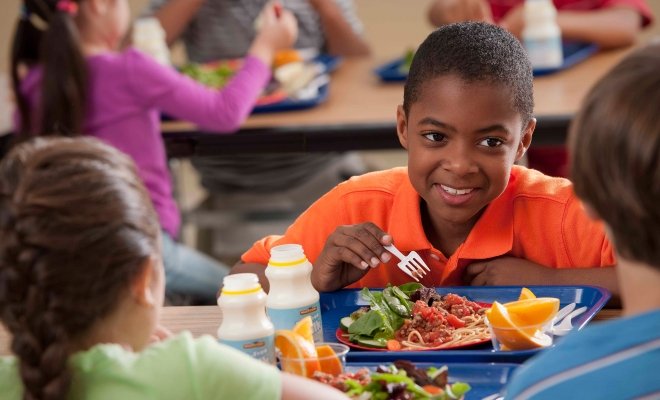
Supporting Local Farms While Feeding 1.1 Million Students
Governor Kathy Hochul has dedicated more than $66 million to locally sourced school food programs since 2021, reaching over 1.1 million students across New York State. This investment connects local farms directly to school cafeterias through three key initiatives: the 30% NYS Initiative, the Farm-to-School Grant Program, and the Regional School Food Infrastructure Grant Program. These programs ensure children receive nutritious, farm fresh meals while boosting the state’s agricultural economy. Combined with the new Universal School Meals program, every one of New York’s 2.7 million students now has access to free breakfast and lunch, with schools serving more than 150 million free meals since September.
Why Farm-to-School Programs Matter
When children eat better, they learn better. That simple truth drives New York’s commitment to bringing fresh, locally sourced food into every classroom across the state.
Farm-to-school programs create a powerful connection between agricultural communities and education systems. These initiatives do more than just feed students. They support local farmers, strengthen regional economies, and teach children where their food comes from.
“Making sure that kids have access to enough fresh, local foods is critical to helping them thrive in school,” Governor Hochul said. “Through several innovative programs, New York State has made great steps forward during my tenure to ensure that no kid goes hungry in the classroom, and that our farmers are supported.”
The Three Pillars of Success
The 30% NYS Initiative: Incentivizing Local Purchases
The 30% NYS Initiative rewards schools for supporting New York farmers. When districts purchase at least 30 percent of their school lunch ingredients from New York farms, their meal reimbursement jumps from 5.9 cents to 25 cents per meal.
The numbers tell a compelling story:
- 82 school districts participating in 2025-2026
- Over 750,000 K-12 students impacted since 2021
- $40.4 million spent on New York State food products
- $11.1 million reimbursed to participating school districts
New York State Agriculture Commissioner Richard A. Ball emphasized the mutual benefits. “When schools use food products from local sources, they are supporting our farmers and providing healthy choices for children, while also supporting the local economy,” Ball said.
Farm-to-School Grant Program: Building Lasting Connections
The Farm-to-School Grant Program provides financial, technical, and promotional support to schools, farms, and distributors. Since 2021, the program has awarded more than $3.9 million to over 30 organizations, supporting projects at more than 160 school districts serving meals to over 280,000 students.
Round 9 of the program just launched with $1.5 million in new funding. The state dedicated $450,000 specifically for applicants who haven’t received previous awards, ensuring broader participation.
Key details for applicants:
- Grant awards range from $50,000 to $150,000
- Proposals due March 12, 2026, at 3:00 p.m.
- Informational workshop scheduled for January 7, 2026, at 1:00 p.m.
- Visit agriculture.ny.gov for complete information
Regional School Food Infrastructure: Long-Term Investment
The newest initiative, the Regional School Food Infrastructure Grant Program, represents a $50 million investment over five years. The program funds regional cooking facilities that prepare meals using fresh New York State farm products.
Each round awards two regions $5 million each. Through the first two rounds, projects are expected to reach over 139,000 students across 36 school districts. Because these facilities remain in place for years, their impact will continue growing well beyond initial projections.
A third round of funding is currently open through January 20, 2026.
Universal School Meals: Ensuring No Child Goes Hungry
New York’s Universal School Meals Program launched this year as a cornerstone of Governor Hochul’s affordability agenda. The program ensures every single one of New York’s 2.7 million students receives free breakfast and lunch at school.
The FY26 Enacted Budget included $340 million for school meals, representing a $160 million year-over-year increase. The program requires all school districts, charter schools, and nonpublic schools participating in national meal programs to provide free breakfast and lunch to all students regardless of family income.
The impact on families is significant. The program is estimated to save families $165 per child in monthly grocery spending. Since September, schools have served more than 150 million free meals.
Voices of Support From Across the State
State Senator Michelle Hinchey championed the educational and health benefits. “Every New York student deserves to eat nutritious, locally grown food as part of the meals they receive at school, because the meals kids eat shape their health, their ability to learn, and their long-term well-being,” Hinchey said.
Assemblymember Donna Lupardo highlighted the comprehensive approach. “New York’s school food initiatives have helped districts source nutritious ingredients from local farms as well as receive technical assistance and new infrastructure grants,” Lupardo said. “These programs have shown the importance of investing in our farmers, our students, and our local food systems.”
Jennifer Martin, CEO of the New York School Nutrition Association, praised the transformation taking place. “By pairing universal school meals with strong farm-to-school and local purchasing programs, New York is ensuring that students have consistent access to fresh, nutritious food while empowering school nutrition professionals to serve meals that reflect their communities,” Martin said.
New York Farm Bureau President David Fisher emphasized the agricultural benefits. “Students win because they receive nutritious food from local sources, and farmers win because they have access to an important market, which helps their bottom line,” Fisher said. “No child should go hungry, and New York farmers are part of the solution.”
The Broader Food Access Vision
These school food programs fit into Governor Hochul’s larger commitment to boost demand for New York agricultural products and ensure all New Yorkers can access fresh, local foods.
Additional initiatives include:
- Executive Order 32 directing state agencies to source 30 percent of food from New York producers within five years
- The Nourish New York program
- FreshConnect and Fresh2You initiatives
- Food Access Expansion Grant Program
- Farmers’ Market Nutrition Programs
- Urban Farms and Community Gardens Grants Programs
- $25 million for the NY Grown & Certified Infrastructure, Technology, Research and Development Grant Program
What This Means for Your Community
Farm-to-school programs create tangible benefits that ripple through entire communities. Students receive better nutrition, leading to improved focus and academic performance. Local farmers gain reliable customers and steady income. School food service workers receive training and resources to prepare fresher, scratch-made meals.
The economic impact extends beyond direct purchases. When schools buy local, that money stays in regional economies, supporting jobs throughout the supply chain from farm to distribution to preparation.
Moving Forward Together
New York’s investment in locally sourced school food programs represents more than government spending. It reflects a commitment to the next generation’s health and education while supporting the farmers who feed us all.
The results speak for themselves: over 1.1 million students receiving farm fresh meals, more than $40 million flowing to New York farmers, and universal school meals ensuring no child goes hungry in the classroom.
As these programs continue expanding, more students will benefit from nutritious meals prepared with local ingredients. More farmers will gain access to institutional markets. More communities will build stronger connections between agriculture and education.
Ready to support farm-to-school in your district? Schools interested in participating in the 30% NYS Initiative or applying for Farm-to-School grants should visit the Department of Agriculture and Markets website for complete information and application details. Regional infrastructure grant applications are open now through January 20, 2026.
We want to hear from you. How has your school district benefited from farm-to-school programs? Share your experiences in the comments below, and don’t forget to share this story with parents, educators, and community members who care about student nutrition and local agriculture.


