


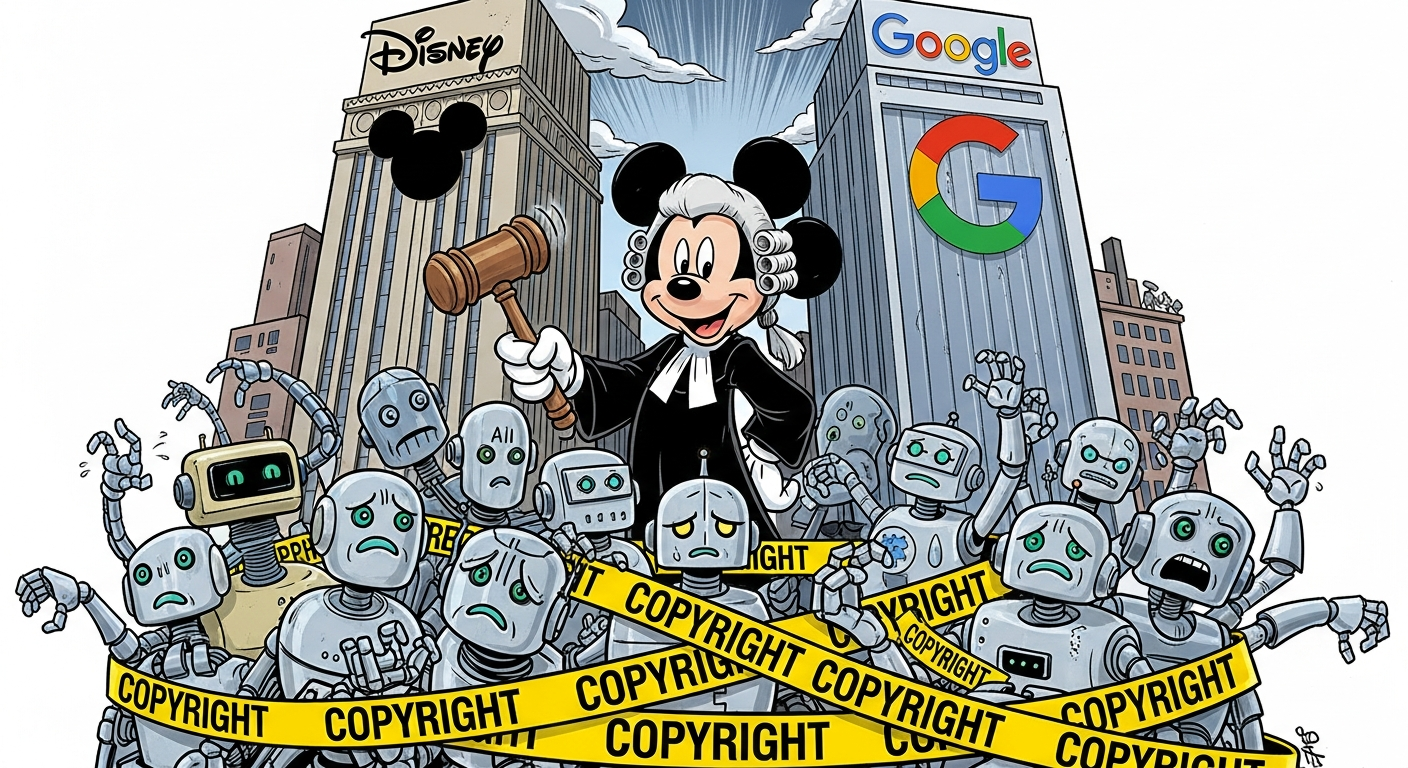
Google has removed dozens of AI-generated videos featuring Disney characters from YouTube following a cease-and-desist letter accusing the tech giant of copyright infringement on a “massive scale.” The move marks a significant escalation in the battle over intellectual property rights in the age of artificial intelligence, coming just hours before Disney announced a $1 billion deal with Google rival OpenAI.
The swift action by Google demonstrates how entertainment giants are drawing firm lines around their intellectual property, even as they selectively partner with AI companies. For creators and consumers alike, this case reveals the complex and often contradictory landscape of AI-generated content in 2025.
What Happened Between Disney and Google?
Disney sent a cease-and-desist letter to Google on Wednesday, December 11, 2025. The letter accused the company of allowing widespread copyright infringement through multiple platforms and AI tools. By Friday, December 13, videos featuring AI-generated versions of Mickey Mouse, Deadpool, Moana, and Star Wars characters had vanished from YouTube.
Users attempting to access these videos now see a stark message: “This video is no longer available due to a copyright claim by Disney.”
According to reports from Variety and Deadline, the takedowns affected dozens of videos. Many were created using Google’s own AI video generation tools, including Veo and the recently released nano banana pro model.
The timing raises eyebrows. Disney issued its legal threat the same evening it prepared to announce a massive licensing agreement with OpenAI. This suggests a calculated strategy rather than a sudden concern about AI-generated content.
Disney’s Specific Allegations Against Google
The cease-and-desist letter detailed several ways Disney believes Google infringed on its copyrights. These allegations paint a picture of systematic rather than isolated violations.
YouTube Video Hosting
Disney provided specific links to YouTube videos and YouTube Shorts featuring unauthorized AI-generated content. The letter called out characters from major franchises, including:
- Frozen and Moana
- Toy Story and The Lion King
- Star Wars and the Marvel Cinematic Universe
- Deadpool, Iron Man, and Lilo & Stitch
- Winnie the Pooh and The Simpsons
AI Training Data
Disney accused Google of using its copyrighted characters to train AI models without permission. The letter specifically mentioned Veo and nano banana as tools that could generate Disney IP.
Commercial Distribution
The entertainment company characterized Google as operating “as a virtual vending machine, capable of reproducing, rendering, and distributing copies of Disney’s valuable library of copyrighted characters and other works on a mass scale.”
False Endorsement
Disney’s legal team noted that many AI-generated images bore Google’s Gemini logo. This created the false impression that Disney authorized or endorsed Google’s use of its intellectual property.
The letter also cited a viral trend of creating AI-generated “action figures” as evidence of infringement. Even Google CEO Sundar Pichai participated in this trend, which Disney argued encouraged further violations.
Google’s Response and Defense
Google issued a measured statement following the takedowns. A company spokesperson said, “We have a longstanding and mutually beneficial relationship with Disney, and will continue to engage with them.”
The statement continued with Google’s defense of its AI practices. The company emphasized three key points:
- Public Data Usage: Google builds its AI using “public data from the open web”
- Copyright Controls: The company offers tools like Google-extended and Content ID for YouTube
- Creator Rights: These tools “give sites and copyright holders control over their content”
As reported by 9to5Google, Disney CEO Bob Iger confirmed the company had held “conversations” with Google for months. According to Iger, Disney felt Google hadn’t made meaningful changes to its policies despite these discussions.
The swift removal of videos suggests Google wants to preserve its business relationship with Disney. The two companies recently resolved another dispute over YouTube TV carriage fees just a month ago.
The OpenAI Deal: A Study in Contrasts
The same day Disney sent its cease-and-desist to Google, it announced a three-year, $1 billion licensing agreement with OpenAI. The deal grants OpenAI’s Sora video generation tool access to approximately 200 Disney characters.
Under this partnership, users can create short AI clips featuring Disney IP. Even more striking, Disney+ will stream select “fan-inspired” AI-generated videos created through Sora.
Disney CEO Bob Iger defended the apparent contradiction. “Our agreement with OpenAI demonstrates that the world of AI does not have to be lawless,” a source familiar with executive thinking told Deadline. “Technology innovators and creative industries can work together and thrive if they are willing to respect the value of creators and their works.”
The message is clear: Disney welcomes AI-generated content featuring its characters, but only on its terms and through approved partners who pay licensing fees.
What This Means for AI and Copyright Law
This case illustrates a fundamental tension in how AI companies and content creators approach intellectual property. Several key issues emerge from the Disney-Google confrontation.
The Training Data Debate
AI companies argue that using publicly available images to train models falls under fair use. Copyright holders disagree, especially when their specific characters can be generated on demand.
Disney’s letter explicitly demands Google stop using its characters for AI training. This could set a precedent for how other rights holders approach similar situations.
Platform Liability
By hosting user-uploaded AI-generated content, platforms like YouTube face questions about their responsibility. Should they proactively screen for AI-generated copyrighted content? Or should they respond only after receiving complaints?
Google’s quick action suggests it prefers maintaining good relationships with major content providers over protecting individual creators using AI tools.
Selective Enforcement
Disney’s simultaneous crackdown on Google while partnering with OpenAI reveals how major corporations will likely approach AI. They want control and compensation, not prohibition.
Smaller creators using free AI tools may face removal or legal action. Well-funded companies willing to pay licensing fees will get approval.
The Broader AI Copyright Battle
Disney’s action against Google isn’t happening in isolation. The entertainment giant has taken several recent steps to protect its intellectual property from AI use.
In June 2025, Disney joined Universal in filing a lawsuit against Midjourney, calling the AI image platform a “bottomless pit of plagiarism.”
Other content creators and publishers are pursuing similar strategies. News organizations, artists, and writers have filed numerous lawsuits against AI companies over training data and copyright.
The legal landscape remains unsettled. Courts have yet to establish clear precedents on many AI copyright questions. Until they do, we can expect more disputes like the Disney-Google confrontation.
Impact on Creators and Consumers
For everyday users of AI tools, this case sends a sobering message. Creating content featuring copyrighted characters carries legal risk, even when using legitimate AI tools.
For AI Enthusiasts
Users who enjoyed creating and sharing AI-generated videos with Disney characters must now reconsider. The takedowns demonstrate that major companies will enforce their rights, and platforms will comply.
For Content Platforms
YouTube and other hosting sites face increasing pressure to police AI-generated content. This could lead to more aggressive automated filtering systems that might catch legitimate fair use alongside infringement.
For the AI Industry
Companies developing AI tools must navigate a minefield of intellectual property concerns. Partnerships with rights holders offer one path forward, but these deals may limit innovation and public access.
What Happens Next?
Several questions remain unresolved as this story develops.
Will Disney pursue further legal action if Google doesn’t implement additional safeguards? The cease-and-desist letter demanded more than just removing existing videos. Disney wants Google to prevent its AI tools from generating Disney characters in the future.
How will other entertainment companies respond? Disney’s aggressive stance combined with its OpenAI partnership could become a template for how Hollywood approaches AI.
What about existing users who created and uploaded these videos? So far, there’s no indication of legal action against individual creators. But the removal of their content raises questions about whether they might face consequences.
The Disney-Google clash represents just the opening act in a longer drama. As AI capabilities expand and more people gain access to powerful generation tools, conflicts over intellectual property will only intensify.
Join the Conversation
This case touches on fundamental questions about creativity, ownership, and technology in the modern age. Who should control how AI tools use existing creative works? Can innovation and intellectual property protection coexist? What rights do individual creators have when using AI tools?
The answers will shape not just the entertainment industry but our entire digital culture. As these debates unfold, informed citizens must engage with the issues and make their voices heard.
What do you think about Disney’s actions against Google? Should companies be able to control how AI tools generate content based on their characters? Share your thoughts in the comments below.
Don’t forget to subscribe to our newsletter and follow us on social media to stay informed about the latest developments in technology, law, and culture. We’ll continue tracking this story as it unfolds and bring you updates as they happen.


