


A Step Toward Reconciliation and Healing
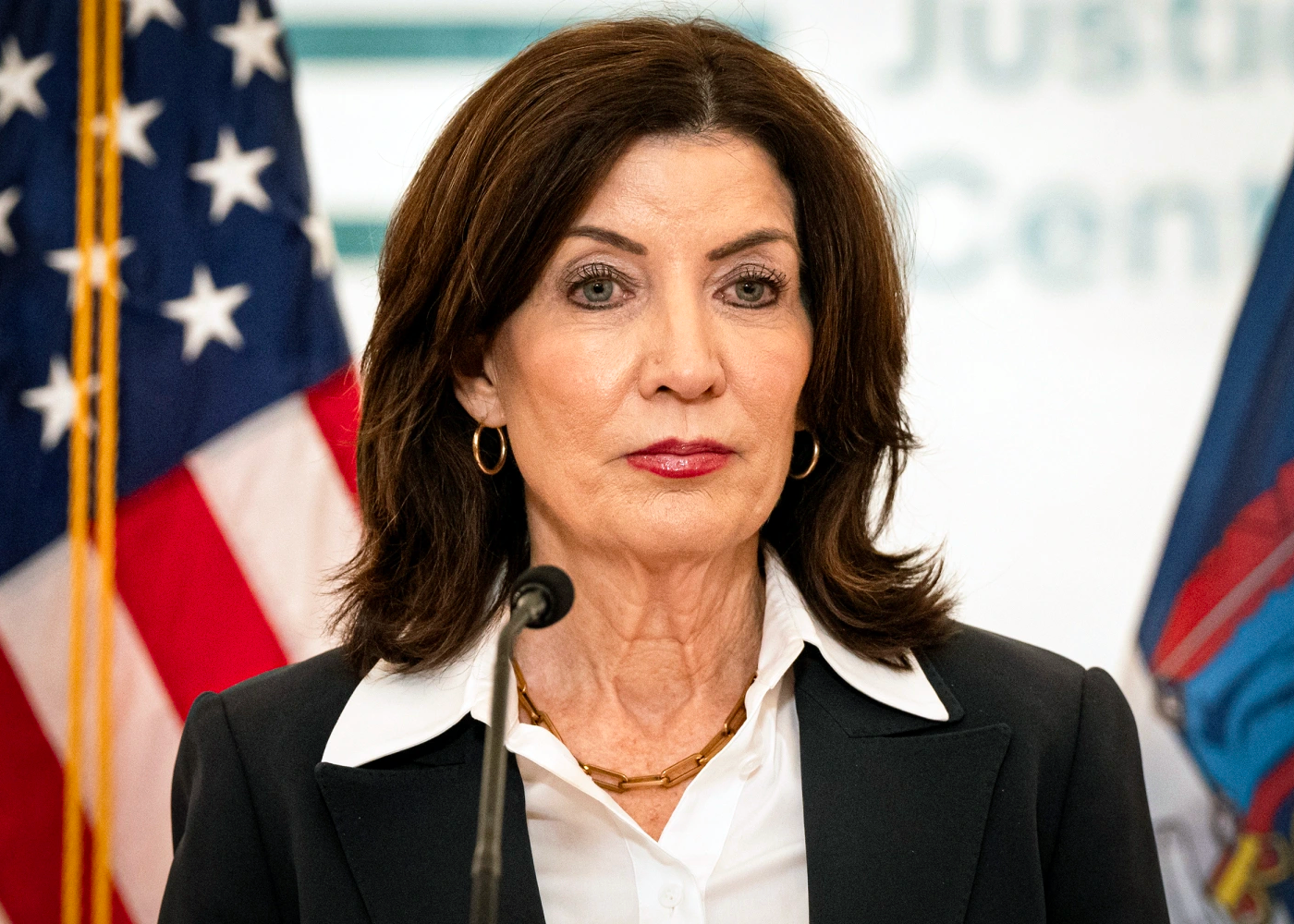
On May 20, 2025, New York Governor Kathy Hochul made a historic visit to the Seneca Nation’s Cattaraugus Territory to formally apologize for the state’s role in operating the infamous boarding school system. At the heart of this apology was the painful legacy of the Thomas Indian School, where Indigenous children were forcibly removed from their families and subjected to cultural erasure and abuse. This heartfelt gesture marks a critical turning point in addressing historical injustices and ignites hope for lasting reconciliation.
Historical Background of Indigenous Boarding Schools
For more than eight decades, boarding schools like the Thomas Indian School operated under a state-sponsored policy aimed at forcibly assimilating Native American children. These institutions sought to eradicate Indigenous identity by banishing native languages, traditions, and familial bonds. The system, founded on the precept to “kill the Indian in him and save the man,” inflicted enduring trauma that continues to reverberate through generations.
The Legacy of the Thomas Indian School
The Thomas Indian School, located on the Seneca Nation’s Cattaraugus Reservation, became emblematic of a broader system of systemic abuse. Operating from 1875 to 1957, the institution was not merely a school but a tool of cultural genocide. With state funding and oversight, the school enforced strict policies that routinely suppressed Indigenous cultural practices. The lasting impact of this dark chapter is evident in the intergenerational trauma and loss of heritage that many Seneca families still grapple with today.
Governor Hochul’s Apology: A Symbol of Accountability
Governor Kathy Hochul’s visit to the Seneca Nation transcended mere political formality. In front of community leaders and descendants of boarding school survivors, she addressed the profound suffering inflicted by past state actions. “This apology is a moral responsibility and a step toward healing,” Governor Hochul declared, emphasizing that recognition of the state’s role is the first step toward genuine reconciliation.
Key Moments of the Historic Visit
During her ceremony at the former school grounds, Governor Hochul walked among the remnants of the boarding school, sharing reflective moments that echoed the pain and loss endured by so many. She punctuated her speech with promises to bolster Indigenous cultural programs and mental health services, acknowledging that while apologies cannot erase the past, they can pave the way for meaningful change.
Seneca Nation President J. C. Seneca expressed his cautious optimism, stating, “At long last, our people will hear, directly from the Governor, the words we have waited lifetimes for the State of New York to say — ‘We’re sorry.’” His remarks captured the deep-seated hope that this act of contrition may herald new initiatives to repair the damage done.
The Community’s Response and the Road to Healing
The apology resonated deeply within the Seneca Nation and across other Indigenous communities in New York. While there was collective warmth for the gesture, community leaders unanimously stressed the necessity of concrete follow-up actions.
Embracing Cultural Revival
In the wake of the apology, efforts to revive and preserve Indigenous cultural practices have been reinvigorated. Community-driven programs that focus on language immersion, traditional crafts, and ceremonial practices are being prioritized. These initiatives aim to restore the cultural fabric that was systematically dismantled by the boarding school system. The renewed state interest in supporting these programs signals an important step forward in healing centuries of cultural disinvestment.
Calls for Comprehensive Reparations
Despite the progress symbolized by the Governor’s visit, many Indigenous advocates contend that a formal apology must be accompanied by substantial reparative measures. They argue that state accountability should extend to financial compensation, land restitution, and expanded healthcare and educational opportunities for affected communities. These steps are vital to address long-standing inequities and to foster a sustainable pathway for cultural and economic resurgence within Indigenous populations.
National and International Perspectives on Indigenous Apologies
The New York apology is part of a broader trend of government recognition of historic wrongs both in the United States and in Canada. In recent years, several high-profile apologies have sought to acknowledge the devastating impact of Indigenous boarding school systems.
Comparative Government Apologies
In October 2024, President Joe Biden extended a formal apology to Native American communities for the federal government’s complicity in operating boarding schools that resulted in profound loss and trauma. Biden’s address stressed that confronting such brutal chapters in American history is essential for national healing. Similarly, Canada’s former Prime Minister Stephen Harper issued an apology in 2008 for the residential school system, a gesture that was followed by initiatives spearheaded by the Truth and Reconciliation Commission. These acts of contrition highlight a growing recognition across North America that reconciliation must begin with an honest acknowledgment of historical wrongs.
Legislative and Policy Initiatives
Following these apologies, both the U.S. and Canadian governments have introduced several policy reforms aimed at remedying the enduring effects of those eras. In New York, Governor Hochul’s visit comes with a promise to reexamine state policies regarding Indigenous education and cultural preservation. Investments in mental health services and language revitalization programs stand as preliminary measures that could lay the groundwork for broader reparative initiatives. However, community leaders continue to push for more ambitious legislative action to ensure comprehensive redress.
Looking Forward: Concrete Steps Toward Reconciliation
The Governor’s apology is a powerful symbol, yet its true worth will be measured by the tangible improvements it generates for the Seneca Nation and other Indigenous communities.
Proposed Measures for Lasting Change
Forward-looking proposals following the apology include several critical actions:
- Expanding grants and support for Indigenous language and cultural education programs.
- Enhancing funding for mental health services aimed at addressing the intergenerational trauma of boarding school survivors.
- Establishing comprehensive investigations into unmarked graves and lost historical records related to the boarding schools.
- Implementing reparations that include financial compensation and the return of ancestral lands.
These initiatives symbolize a collective commitment to move beyond symbolic gestures toward a future where historical accountability results in real-life, positive transformation for Indigenous communities.
Inspiring Community Engagement and Broader Support
Governor Hochul’s visit and apology serve not only as a formal recognition of past wrongs but also as a call to action for citizens and policymakers alike. The journey to healing is ongoing, and active participation from all sectors of society is essential in supporting these transformative measures. Advocacy groups and community leaders are encouraged to collaborate with governmental bodies, ensuring that promises made in solemn ceremony translate into impactful policies.
A New Chapter in Healing
The apology delivered by Governor Kathy Hochul to the Seneca Nation marks a profound moment in New York’s history. Acknowledging the deep scars left by the boarding school era, the state has taken a bold step toward reconciliation. Yet, as many community leaders have noted, this is only the beginning. True healing will require sustained commitment through policy changes, reparations, and robust support for cultural renewal.
As New York embarks on this new chapter of accountability, it is imperative that all stakeholders—government officials, community leaders, and everyday citizens—unite in the pursuit of justice and lasting reconciliation. Today’s dedication to addressing the past paves the way for a future where every culture is honored and every history is preserved. Let this historic moment inspire meaningful action and encourage us all to work for a world where healing, understanding, and respect guide our shared future.


